The Drive That Changes How You See India
The road from Bomdila to Tawang winds through mountain passes at over 13,000 feet, and there's a specific moment — somewhere around Sela Pass, with prayer flags whipping in a cold wind and a frozen lake sitting perfectly still below the clouds — where you stop thinking about logistics and just absorb the fact that this place exists.
Arunachal Pradesh is called the "Land of the Rising Sun" for a reason. It's India's northeasternmost state, and the sun hits it before anywhere else in the country. It borders China, Bhutan, and Myanmar. More than 26 major tribes live within its borders, speaking their own languages, following their own customs, some of them barely contacted by the outside world until a few decades ago. It is not a place you casually visit on a week off.
The Paperwork First
Indian nationals need an Inner Line Permit (ILP) to enter Arunachal — this is non-negotiable and enforced at the border checkpoints. It's not difficult to get (apply online at the Arunachal government portal), but don't forget it. Foreign nationals need a Protected Area Permit, which takes longer. If you're booking a package with us, we sort the permits — just send your ID details in advance.
Tawang: The Place That Earns the Journey
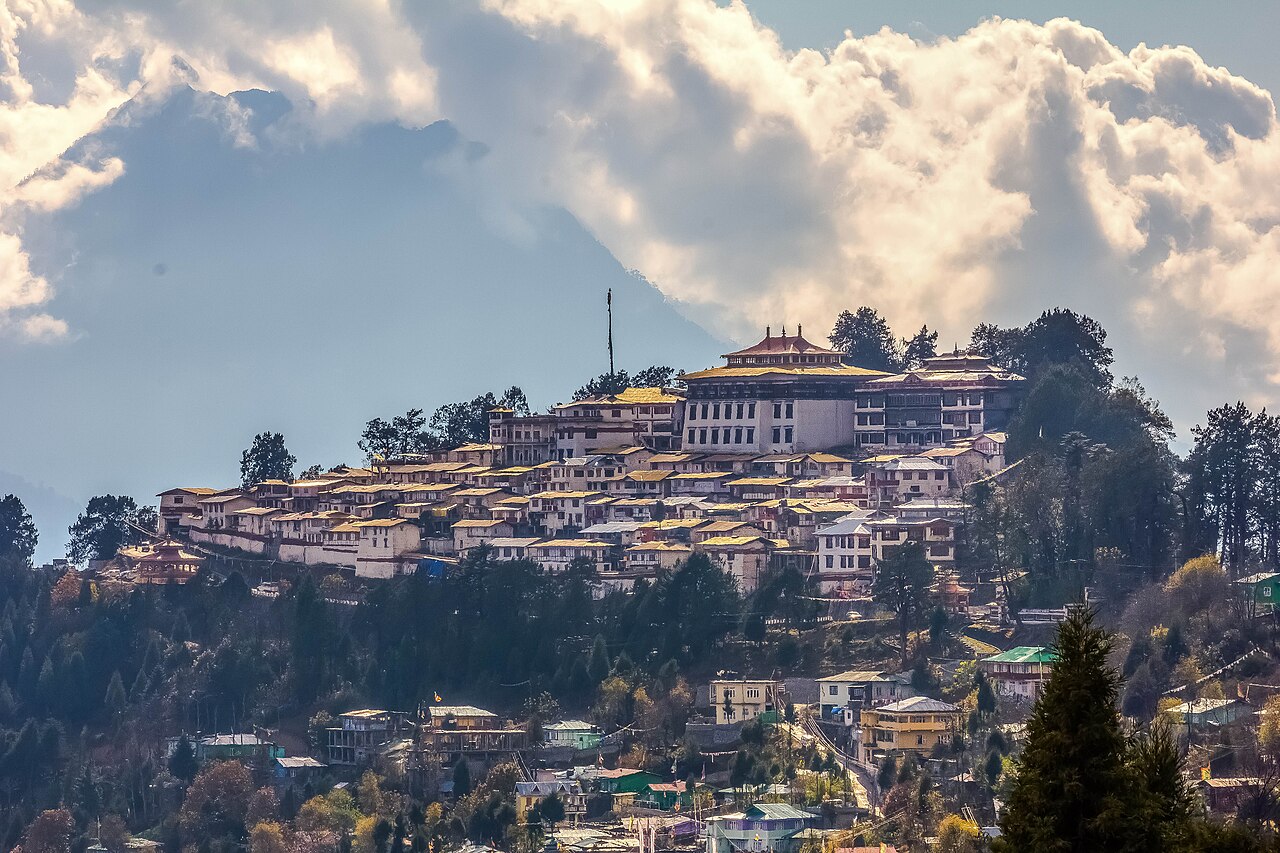
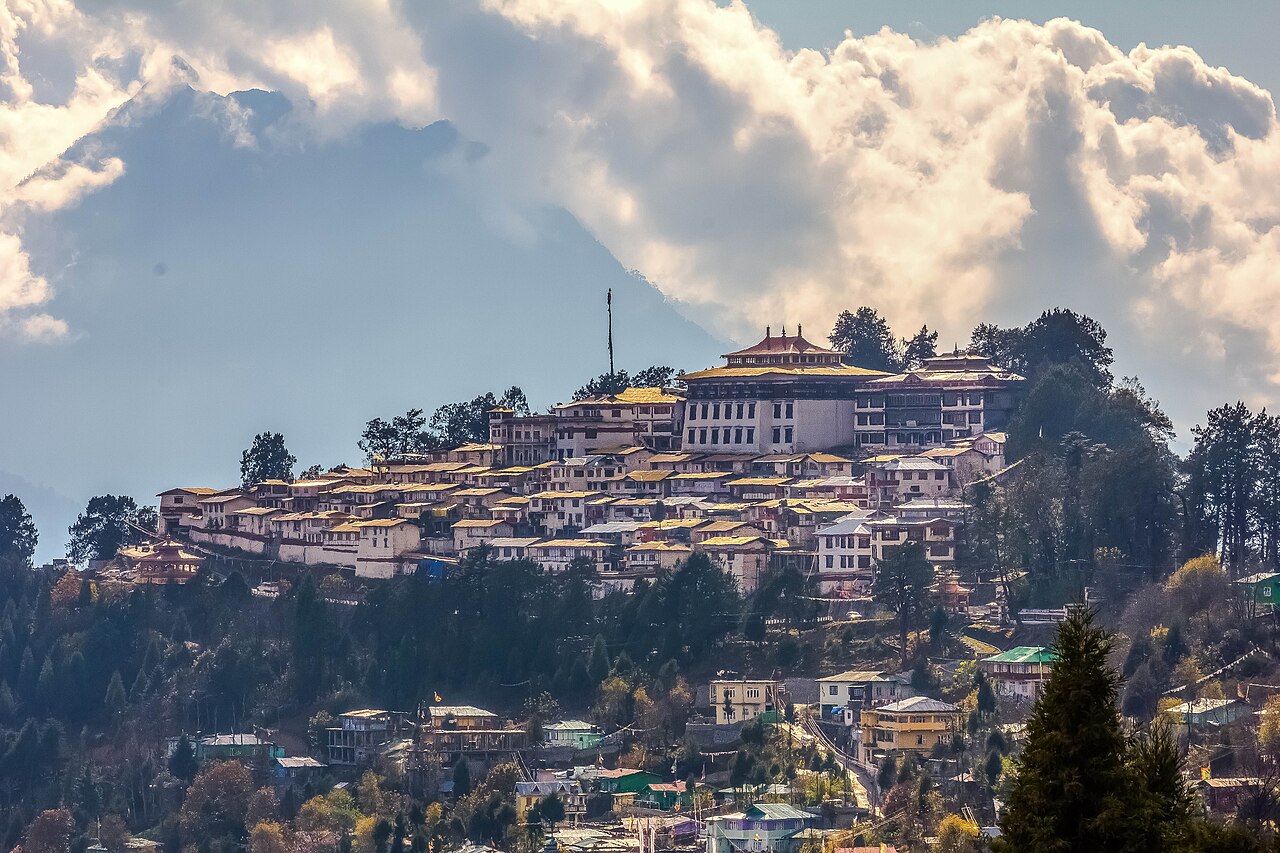
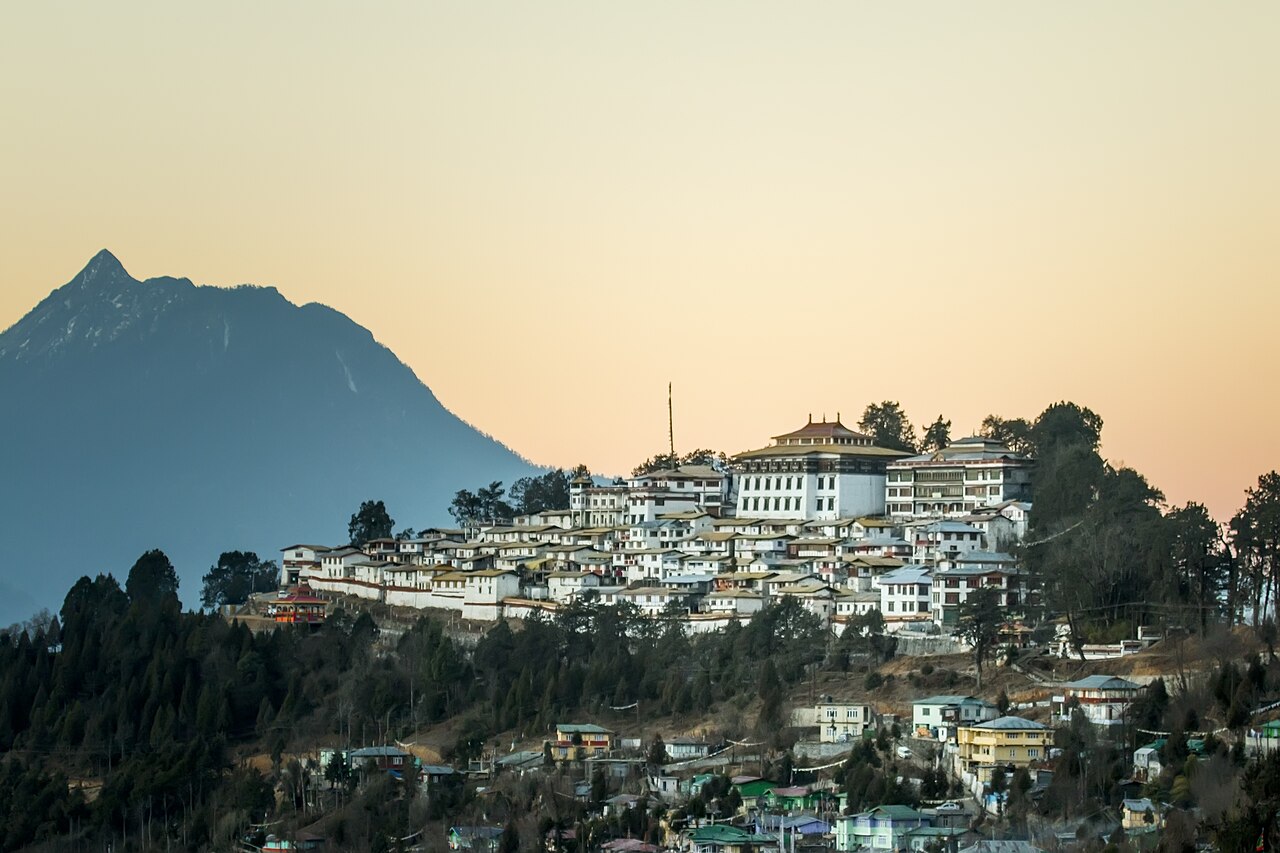
Tawang sits at 3,048 metres in the far western corner of Arunachal Pradesh. To get there from Guwahati is roughly 500 kilometres, done over two days via Bhalukpong and Bomdila — a journey that reveals how dramatically India's terrain changes over a few hundred kilometres.
Tawang Monastery is the first thing everyone goes to see, and it earns every superlative thrown at it. Built in 1680, it's the largest Buddhist monastery in India and second-largest in the world after Lhasa's Potala Palace. Hundreds of monks live here. The library holds thangkas and manuscripts that are centuries old. At dawn, before the tourist groups arrive, you can stand in the courtyard and hear monks chanting — it's one of those moments where travel actually delivers on what it promised.
Sela Pass at 13,700 feet is dramatic in a way that flat-country people aren't always prepared for. Snow fields in April, a lake that's still partially frozen, prayer flags on poles stretching for hundreds of metres. The altitude affects some people — carry water, go slowly.
Bumla Pass (15,200 feet, India-China border) requires advance permission but it's possible for Indian tourists. The high-altitude lakes nearby — PT Tso and Shungetser — look genuinely otherworldly. Turquoise water, no trees, just rock and sky and silence.
The Tawang War Memorial is worth an hour of quiet reflection. The 1962 Sino-Indian War was fought partly in this landscape, and the memorial is simple and dignified.
Planning to visit?
Private cab from ₹4,500 · Local driver · Book free, pay a token to confirm
Ziro Valley — For Slower Travel
If Tawang is dramatic, Ziro is meditative. In the Lower Subansiri district, the valley opens out into a patchwork of paddy fields and pine forests that feels almost impossibly pastoral. The Apatani people here have developed a unique system of paddy-cum-fish farming — fish grow in the same flooded fields as rice, fertilizing the crop naturally. It's been running for centuries.
The Ziro Music Festival in September is now well-known among a certain kind of traveller — four days of indie, folk, and electronic music in an outdoor setting that happens to be surrounded by some of India's most beautiful scenery. If you can time your trip around it, it's worth it.
Namdapha for the Serious Wildlife Traveller
Most people don't hear about Namdapha because it requires effort: you fly to Dibrugarh, drive to Miao, and then you're at the edge of a national park that spans almost 2,000 square kilometres of unbroken forest. It has tigers, leopards, snow leopards, and clouded leopards — all four big cats in one habitat. The birding is extraordinary. You need a guide to trek inside, and the infrastructure is basic. But for someone who genuinely wants to see wild India, this is as good as it gets.
Practical Things to Know
The journey to Tawang from Guwahati is two days by road — typically overnight in Bomdila or Dirang on the way up. This is the right approach anyway, because it lets you acclimatise gradually to the altitude. Going straight to Tawang in one shot risks altitude sickness, which is unpleasant and can be serious.
Carry warm layers even in April and May — nights near Tawang can drop below zero. The local food is hearty and exactly right for the climate: pork with bamboo shoot, thukpa (a noodle soup that I will happily eat for every meal), and *chhang*, the local rice beer that tastes better at altitude than it has any right to.
April to October is the main season. Winter (November to March) brings snow and closes some passes, but if you can get through, the landscapes are brutally beautiful.