Sleep Where Hotels Can't Put You
The best campsites in Meghalaya are not designated campgrounds with numbered pitches — they are riverside banks with the sound of water, forest clearings with birdsong at dawn, and plateau edges where the cloud rolls in below you as you eat dinner. Camping in Meghalaya is immersive, informal, and genuinely memorable.
Here are the best camping locations in the state and how to access them.
---
1. Dawki (Umngot Riverside)
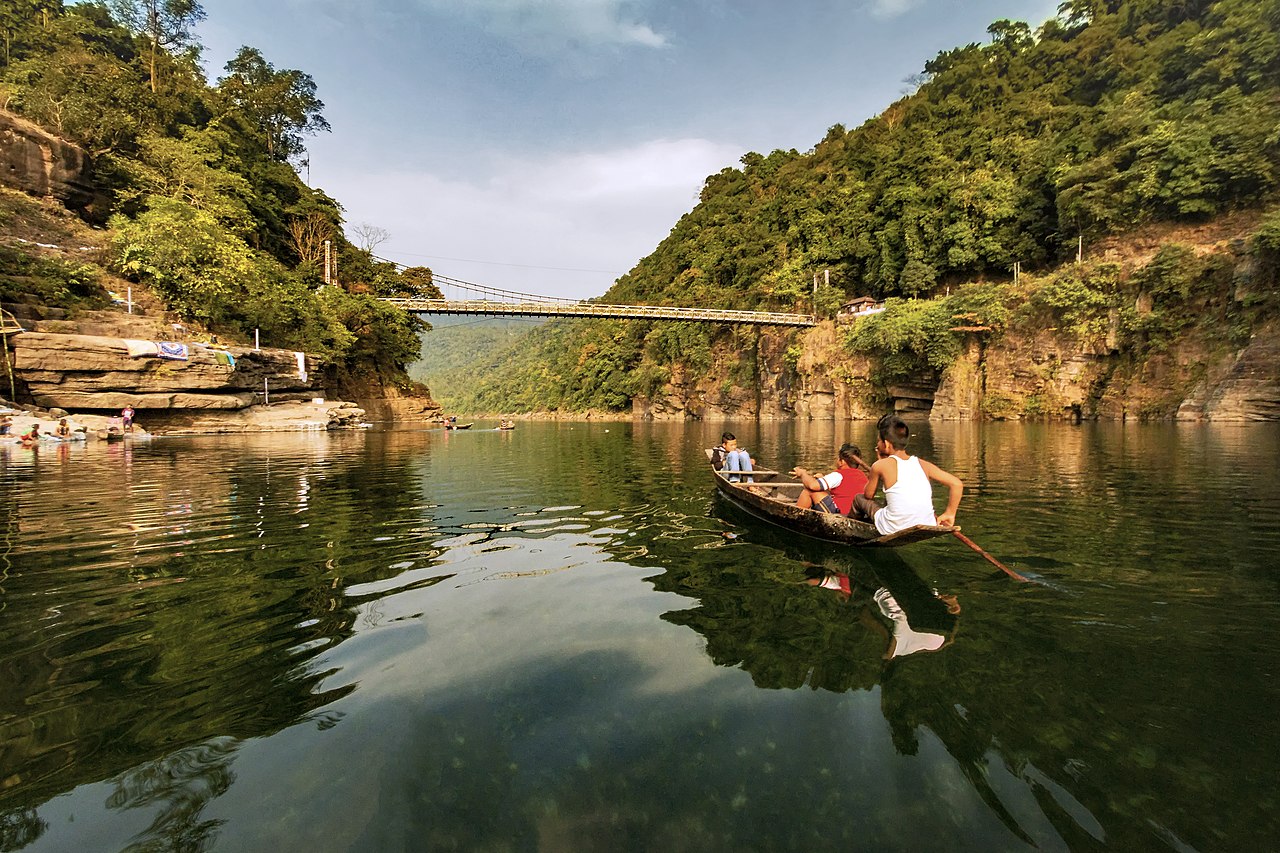
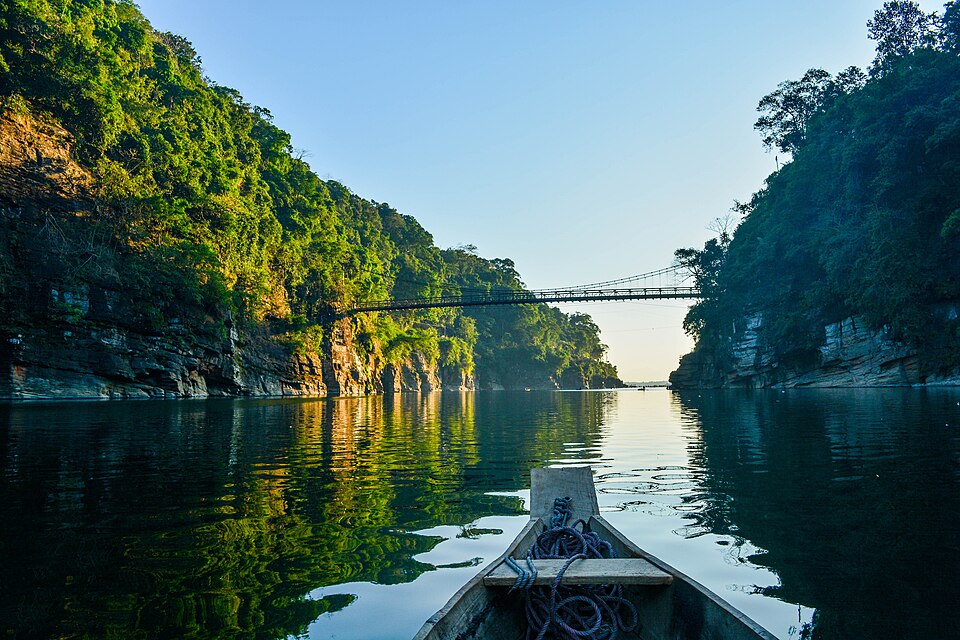
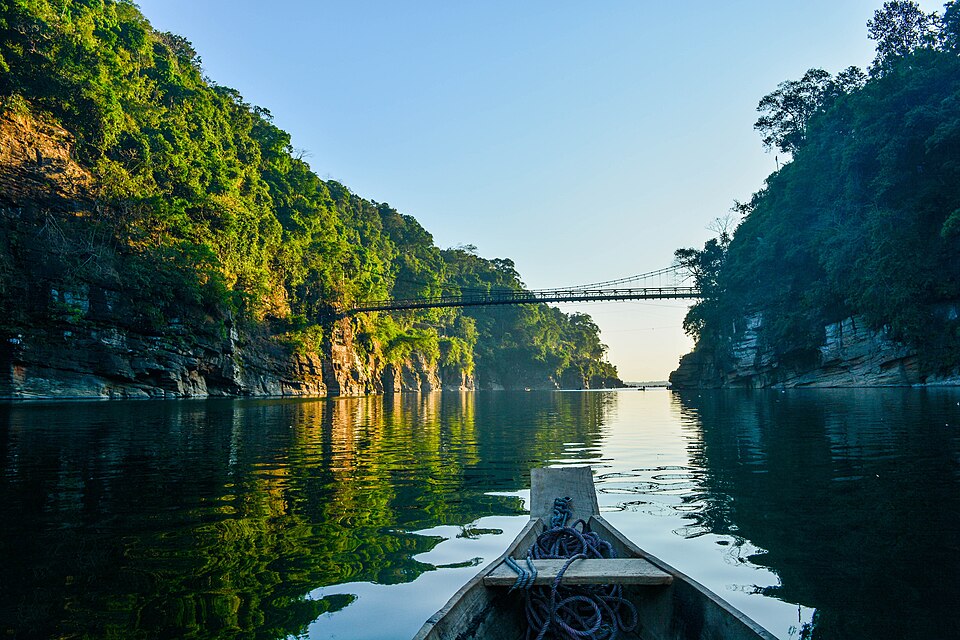
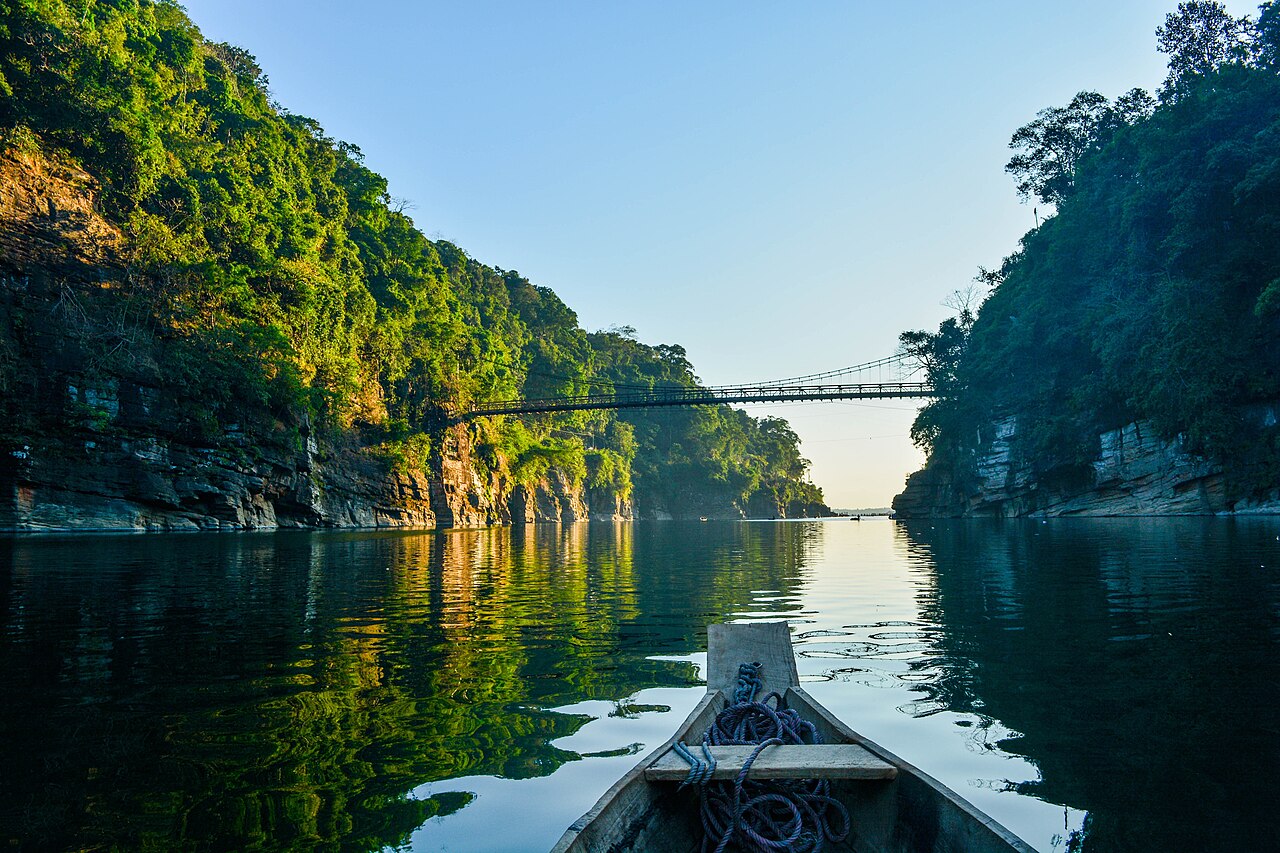
Camping on the banks of the Umngot River at Dawki is one of Meghalaya's best overnight experiences. Several community-run tent operators set up camps on the sandy riverbank, particularly in the October–April dry season.
The experience: Fall asleep to the sound of the crystal-clear river, wake to mist on the water and the first boat operators pushing off into the still morning. Bangladesh's hills glow pink across the water at sunrise.
Operators: Dawki Community Tourism and several private operators set up tents on the riverbank. Rates vary (₹800–2,000 per tent including meals). Book through local contacts or ahead via Meghalaya tourism listings.
Best season: November to February for clear, cool nights.
---
2. Mawphlang / David Scott Trail Area
Camping in the open grasslands along the David Scott Trail — particularly around Mawphlang and the ridge sections between Mawphlang and Ladmawphlang — gives you a night in the Khasi Hills at their most open and atmospheric.
The experience: Open grassland under a wide sky. Absolutely zero light pollution. The Milky Way visible on clear nights. Morning mist filling the valleys below.
How to arrange: Through local guides at Mawphlang village who can identify suitable camping spots and arrange meals. This is wild camping — carry your own tent or arrange through a guide who has equipment.
Best season: October–March. The post-monsoon grasslands are golden and the nights are clear.
---
3. Cherrapunji Plateau Edge
Camping near the edge of the Cherrapunji plateau puts you at one of the world's great natural viewpoints: the escarpment that drops hundreds of metres to the Bangladesh plains, with waterfalls on the cliff face and clouds rolling in below.
The experience: Sunset over Bangladesh. Night clouds lit from below by distant towns. The sound of Nohkalikai Falls audible on still nights.
How to arrange: Some eco-tourism operators in Cherrapunji run organized camp experiences near the plateau edge. Alternatively, the forest department allows camping in certain areas with a permit.
Best season: October–November for waterfall views and December–January for clearest night skies.
---
4. Nongriat Village (Below Living Root Bridge)
Planning to visit?
Private cab from ₹4,500 · Local driver · Book free, pay a token to confirm
After trekking down to the Double Decker Living Root Bridge (3,000+ steps), some travelers choose to stay overnight in Nongriat Village — a small Khasi community at the base of the gorge. Basic homestays are available; camping by the stream is also possible with permission from village authorities.
The experience: The gorge at night is extraordinary — no vehicles, no traffic, just the river, frogs, and jungle sounds. Wake to mist in the valley and birds in the canopy.
Getting there: The 3km descent from Tyrna is the only access — no road. Carry everything you need.
Best season: November–February. Monsoon (June–September) makes the descent slippery and the stream rises significantly.
---
5. Krang Suri Riverside (Jaintia Hills)
Community-organized camping near the Krang Suri waterfall area provides access to the falls early morning and late evening when day visitors are gone.
The experience: Swimming in the turquoise pool in the evening when the falls are lit by golden hour light. Waking to the falls at dawn before the crowds arrive.
How to arrange: Through local eco-tourism operators in the West Jaintia Hills area or through the village tourism committee.
---
What to Bring for Camping in Meghalaya
Permit Requirements
Wild camping in Meghalaya's forests technically requires forest department permission in some areas. In practice, camping with local guides and in community-supported areas is generally problem-free. Ask your guide about any local requirements.
Arrange your camping transport with Meghalaya Cabs — we drop at trailheads and riverside access points and coordinate return pickups at your chosen time the following day. Book your trip online →