The Man Under the Basket
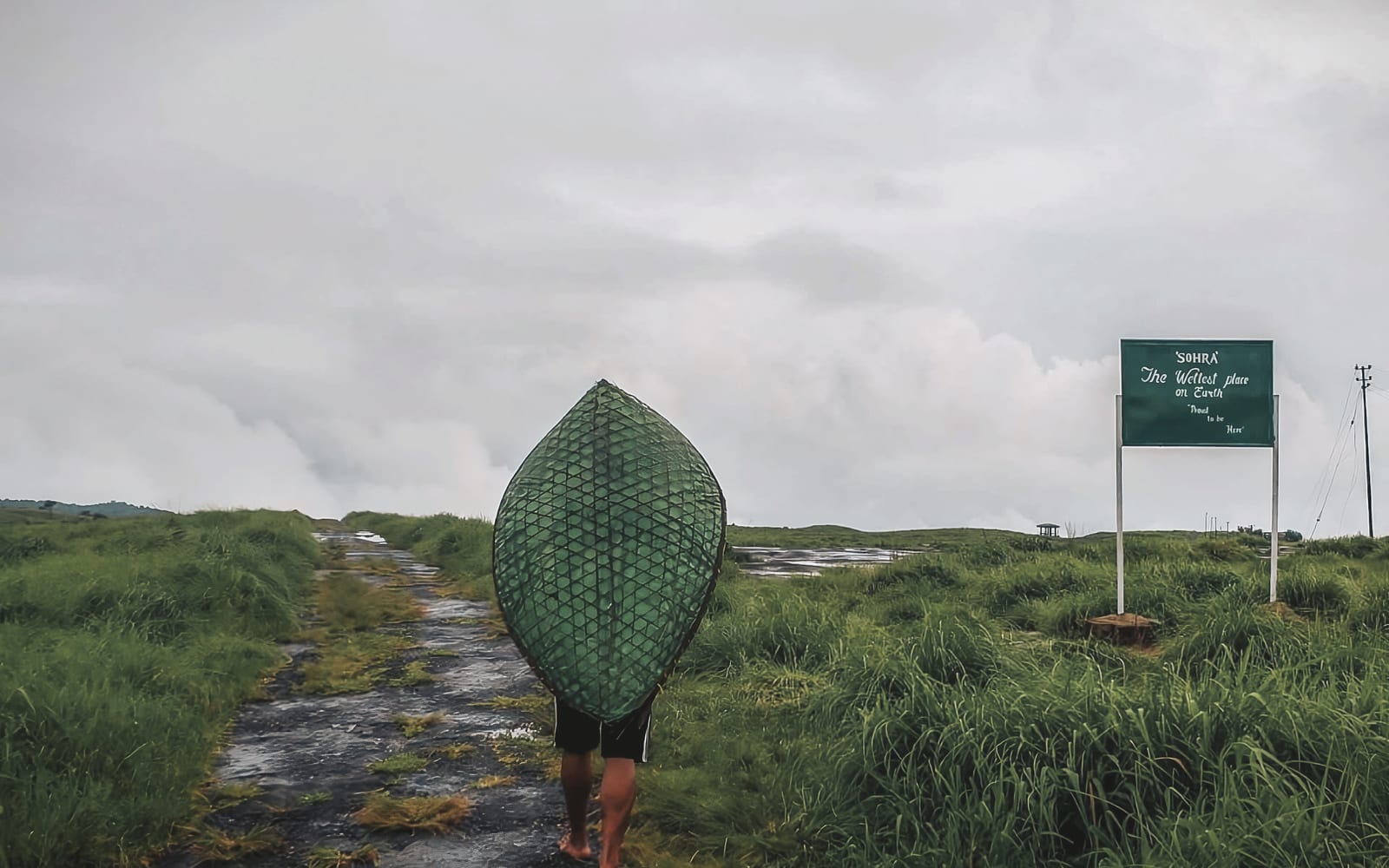
There's a photograph I think about every monsoon. A man walking barefoot up a wet village path in Sohra, completely hidden under a *knup* — the woven cane rain-shield the Khasi have carried for centuries, shaped like a turtle shell, big enough to cover a whole working body. Beside him, a green government signboard states a simple fact: "Sohra. The Wettest Place on Earth."
No umbrella company has ever conquered these hills. The knup did. When you see one moving through the rain — hands-free, head dry, the wearer probably carrying firewood or vegetables underneath — you understand something about this place: people here didn't just survive the heaviest rain on the planet. They designed a life around it.
That's what you actually come to see in monsoon. The waterfalls are the postcard. The rain-shaped world is the story.
The Numbers That Break Your Brain
Cherrapunji (Sohra) and Mawsynram sit fifteen kilometres apart on the same ridge, staring down at the plains of Bangladesh. When the monsoon roars up from the Bay of Bengal, the full load of the ocean's moisture hits this wall of hills — and rises, and falls, and falls, and falls.
Mawsynram: roughly 11,870 mm of rain a year. Ten Mumbais. Twenty Londons.
Cherrapunji holds the all-time records — the most rain ever measured in one month, and in one year: 26,461 mm between 1860 and 1861. That's a two-storey building, submerged, in rainfall.
I've watched guests read these numbers off a display board and shrug. Numbers don't land. Then the afternoon curtain arrives — you can *watch* it cross the Bangladesh plains below, a grey wall walking toward you — and the sky lets go, and the drumroll on the tin roof drowns every conversation, and they turn to me wide-eyed and shout the same three words: *"IS IT ALWAYS—"*
Yes. In July, it's always.
Twenty Minutes Later
Here's what the rainfall statistics never tell you: the rain stops. It almost always stops. Twenty minutes, an hour, and then — light. Steam rising off the tarmac. The smell of soaked earth and wet grass so strong it feels edible.
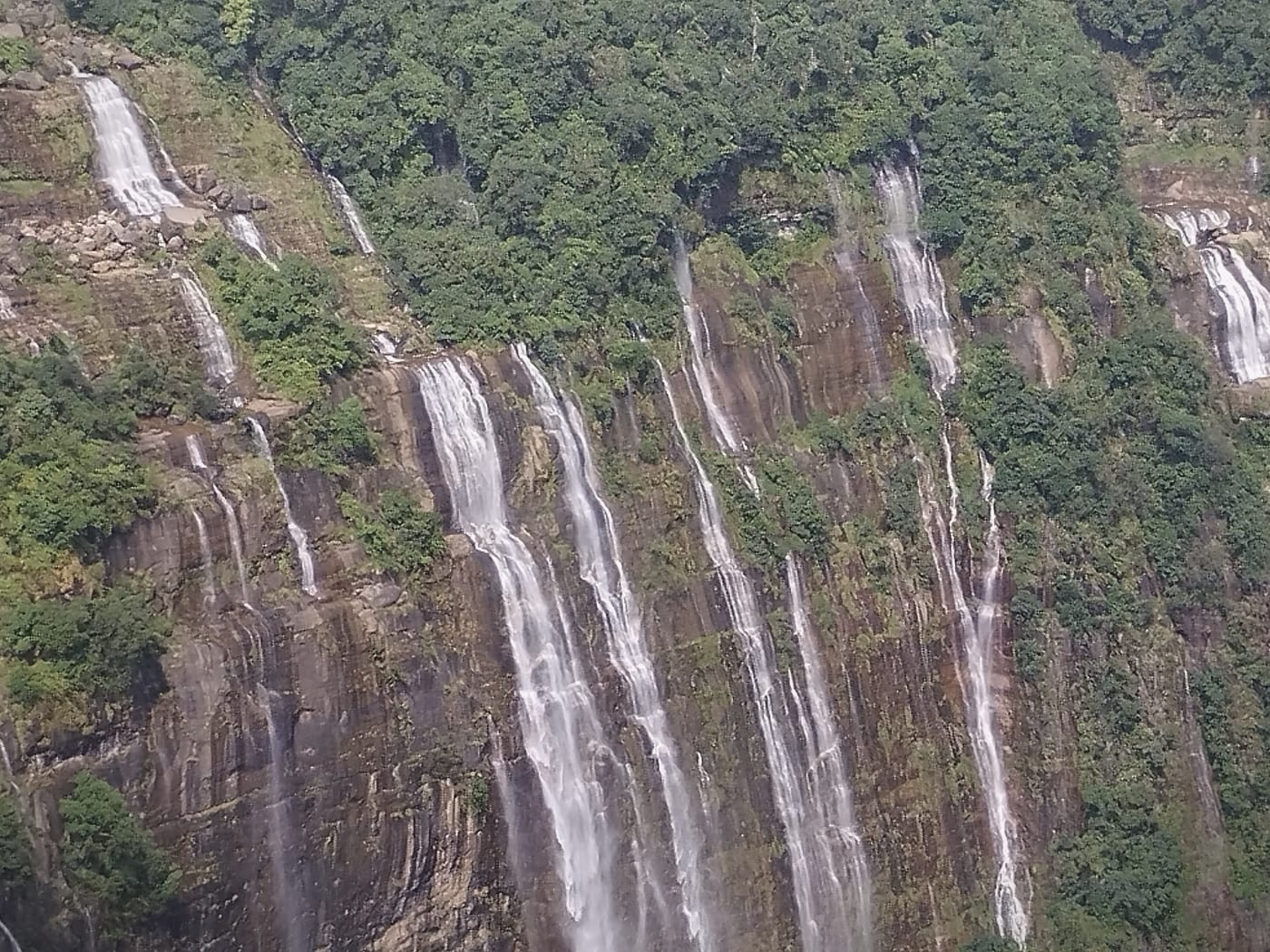
And the cliffs have changed. Waterfalls that did not exist at breakfast are now pouring off every rock face on the plateau — hundreds of white threads, unnamed, unmapped, gone again by next week. Guests always ask me "which waterfall is that?" and I've learned to answer honestly: *nobody knows, it was born this morning.*
That is the real Sohra monsoon experience. Not one famous waterfall. A waterfall factory, running around the clock, with the whole plateau as its floor.
Two Villages, Two Different Days Out
Planning to visit?
Private cab from ₹4,500 · Local driver · Book free, pay a token to confirm
Cherrapunji is where you stay and spend your time — it has the viewpoints, the caves, the parks, the cafés with hot thukpa when you come in soaked. Nohkalikai, Seven Sisters, Mawsmai Cave, Eco Park, Thangkharang — all within twenty minutes of the market.
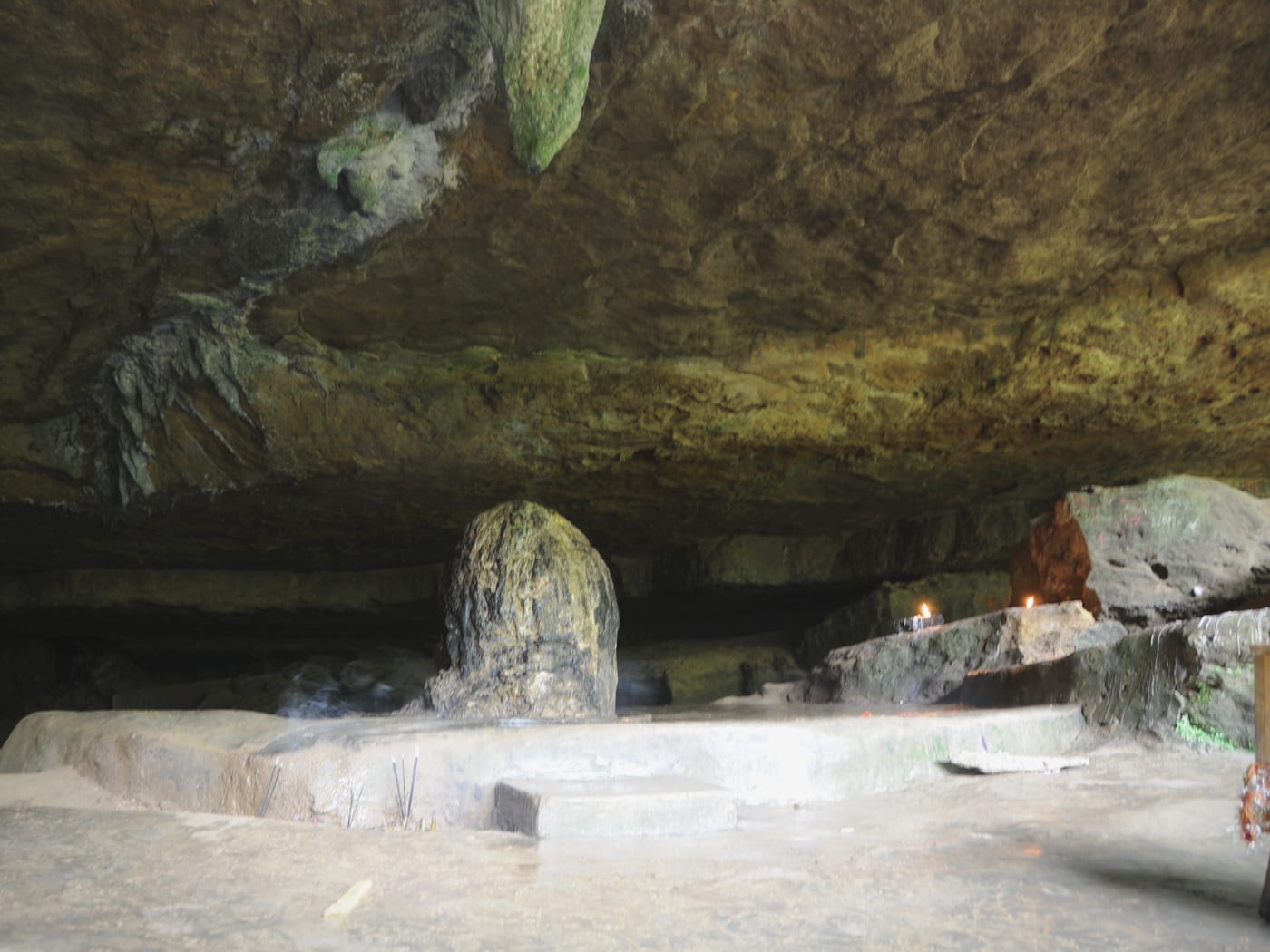
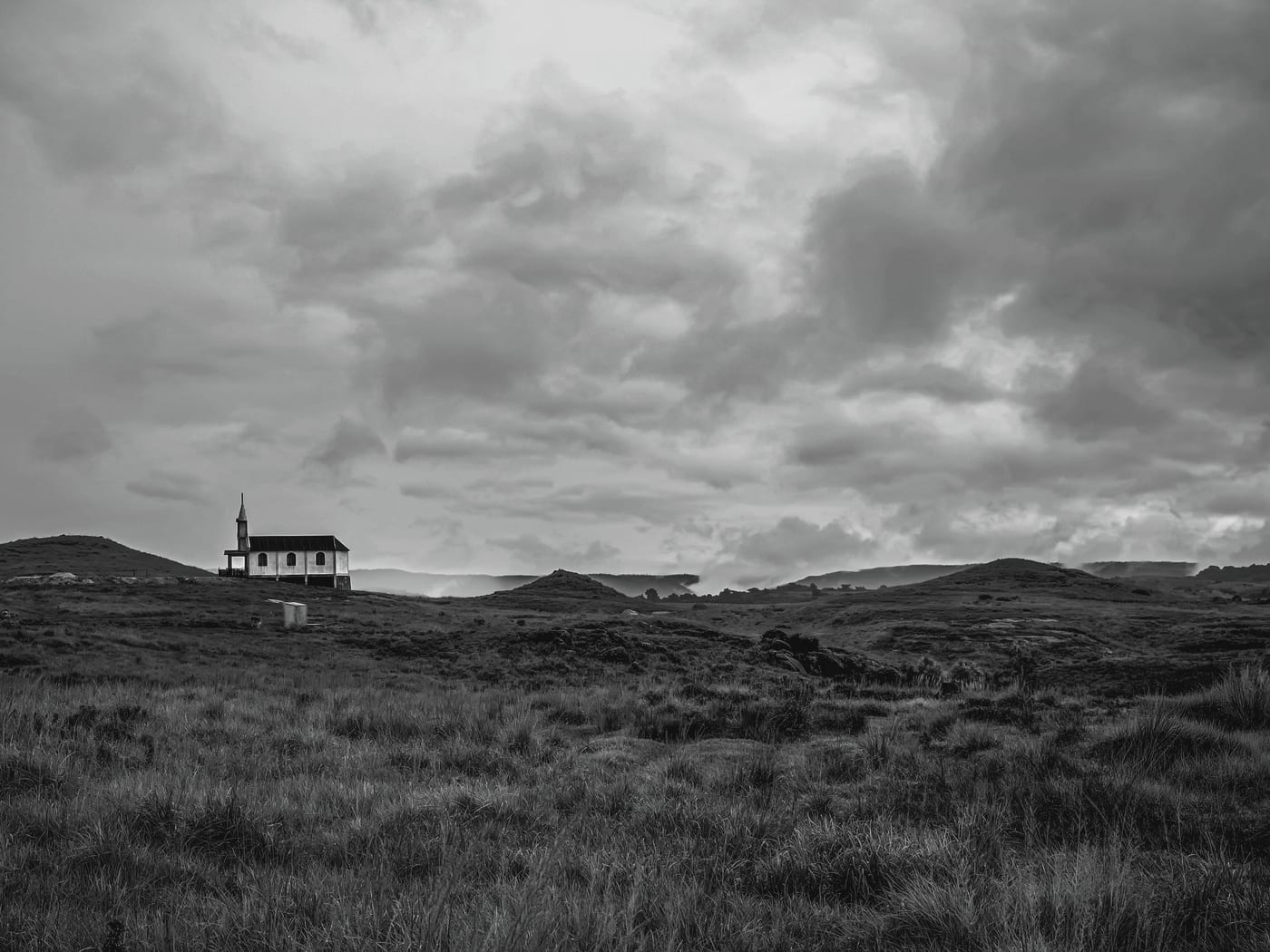
Mawsynram is not a tourist town. It's a working Khasi village that happens to hold a world record — moss on the walls, clouds in the lanes, a lonely church on the wet green moor that looks airlifted out of the Scottish Highlands. You go to stand in the record books, to see Mawjymbuin Cave with its naturally formed stone shivling (a pilgrimage site in its own right — the dripping cave feels alive in monsoon), and to watch everyday life continue under knups as if the sky weren't falling. Half a day. Worth every minute.
Do both. The 1.5-hour drive between them, across a plateau being actively rained into legend, is half the experience.
When the Sky Refuses to Pause
Some days it simply doesn't stop, and those become their own kind of memorable:
Getting There Without White Knuckles
Sohra is 54 km from Shillong — 90 easy minutes on a genuinely good road. What changes in monsoon isn't the road, it's the air: mist can erase the world in seconds, and reappear a valley later. Our drivers have crossed this plateau in every mood it owns; they know which bends hide fog and which hide a brand-new waterfall worth pulling over for.
WhatsApp +91 8855853857 — tell us your dates, and we'll put you under that sky, standing next to that green signboard, while the record books are being rewritten around you.