Walking a Colonial-Era Trade Route
In the 1830s, a British administrator named David Scott oversaw the construction of a mule path through the Khasi Hills — a trade route connecting the Assam plains with Sylhet (in present-day Bangladesh) via the Meghalaya plateau. The path fell out of use when railways and roads made mule trade obsolete, and it was largely forgotten for generations.
Today, the David Scott Trail is Meghalaya's most famous trek — a 16km path through open grasslands, pine forests, and ridge-top landscapes that has been rediscovered by hikers seeking something different from the usual waterfall-and-cave circuit.
The Trek
Route
The trail runs from Mawphlang (on the Shillong–Cherrapunji highway, about 25km from Shillong) to Ladmawphlang (a village near the Lad Rymbai area). It can be walked in either direction.
Most trekkers start at Mawphlang (where the Sacred Grove also makes for an excellent pre-trek visit) and end at Ladmawphlang, with a vehicle arranged to meet them at the trail's end.
Distance & Time
The Path
The original stone-paved sections of the colonial mule path are still visible in places — broad, flat stones set into the hillside, remarkably well-preserved. Other sections are earthen path through grassland and low shrubs. The trail crosses several small streams (some stepping-stone crossings required in wet season) and passes through pine and oak groves.
What You'll See
Open Grassland Views
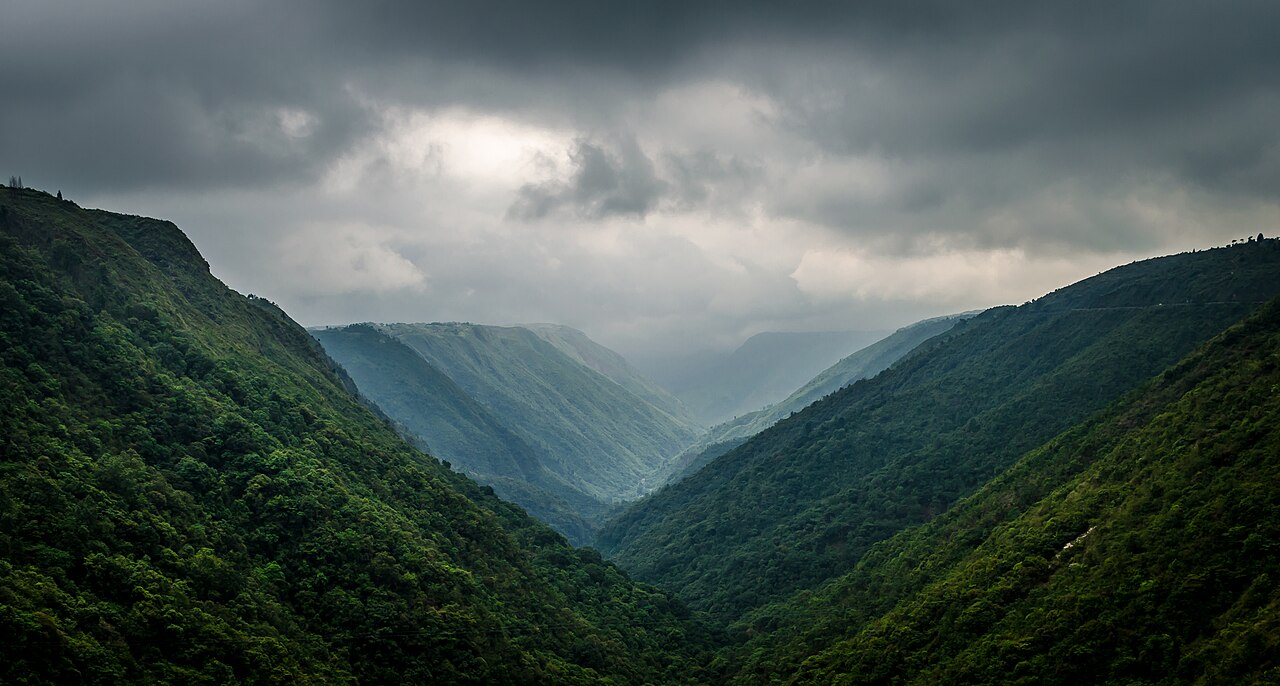
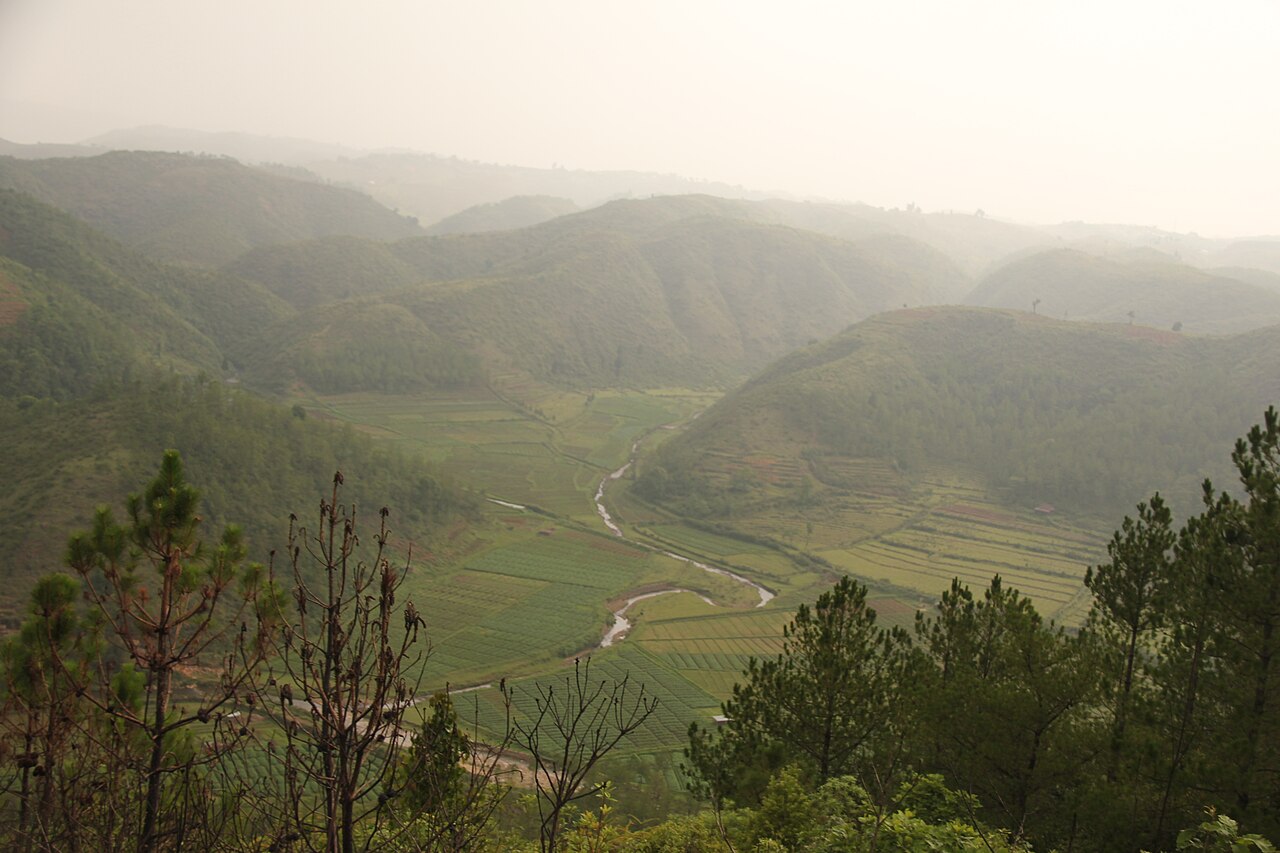
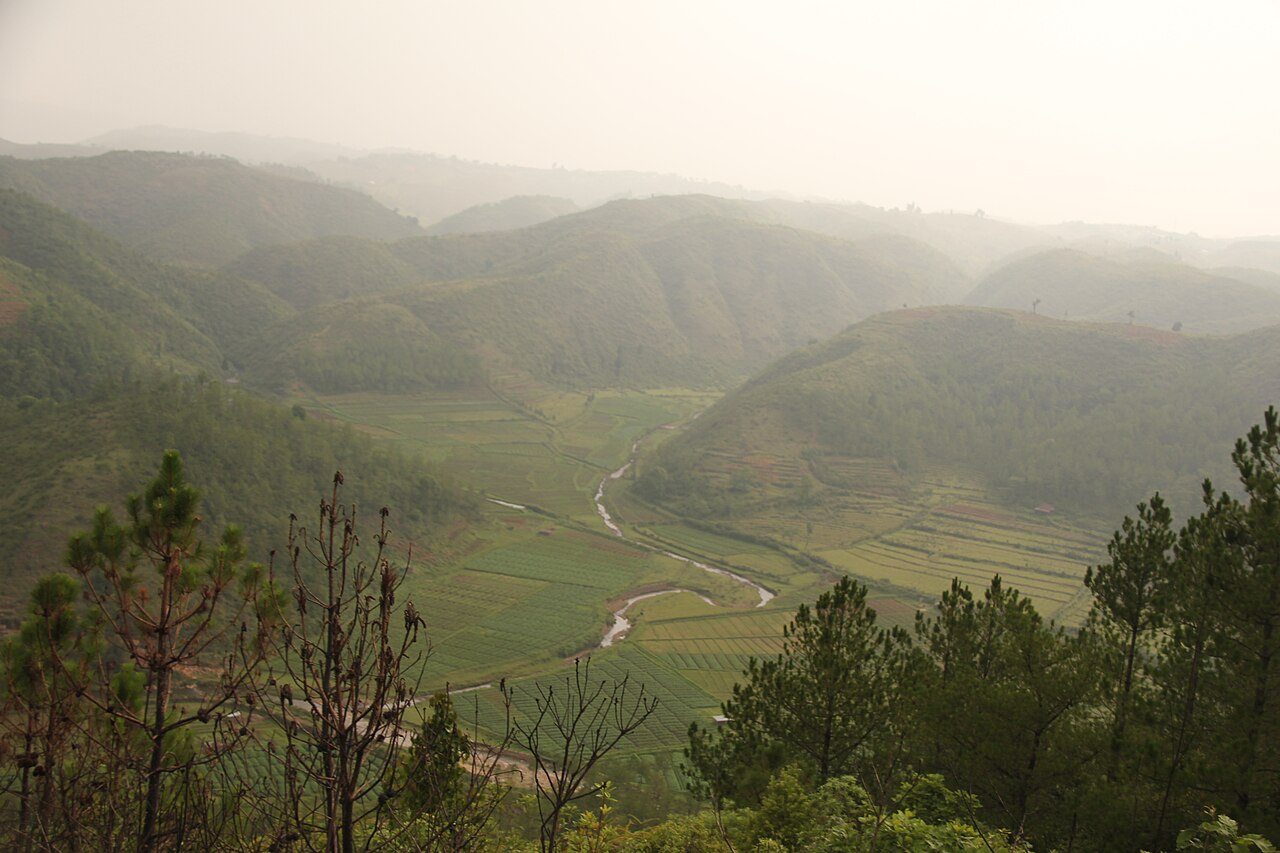
The trail traverses the open rolling plateau of the Khasi Hills — not the forested gorge country of Cherrapunji, but a broader, more exposed landscape. On clear days (November through February), views extend for 30–40km in all directions.
Pine and Oak Forest
Several sections pass through quiet pine forest — light filtering through tall trees, pine needle carpet underfoot, and the silence broken only by birdsong.
Wildlife
The grasslands along the trail are good for raptors (several eagle and hawk species) and the characteristic Khasi Hills bird, the White-throated Laughingthrush. Deer tracks are common. The forest sections occasionally produce sightings of Barking Deer and various small mammals.
Heritage Features
Look for the original stone causeways, retaining walls, and drainage channels built by 1830s labourers — the engineering is simple but effective and still functional after nearly 200 years.
Preparation & Logistics
Planning to visit?
Private cab from ₹4,500 · Local driver · Book free, pay a token to confirm
Before the Trek
Guide
A local guide is strongly recommended — not because the trail is dangerous, but because the path is not consistently marked and it's easy to take a wrong turn in the grassland sections. Local guides also add significant knowledge about the landscape and history.
What to Bring
Best Time to Trek
Combining with Mawphlang Sacred Grove
The David Scott Trail begins near Mawphlang Sacred Grove — plan to arrive at Mawphlang by 7–8 AM, do the 1.5-hour sacred grove guided walk, then begin the trek. This makes for a full day that covers two of the best nature experiences in the Khasi Hills.
Book transport to Mawphlang and a pickup at Ladmawphlang with Meghalaya Cabs. We coordinate this exact David Scott Trail logistics arrangement for trekkers regularly. Book your trip online →