The Trek Worth Every Step
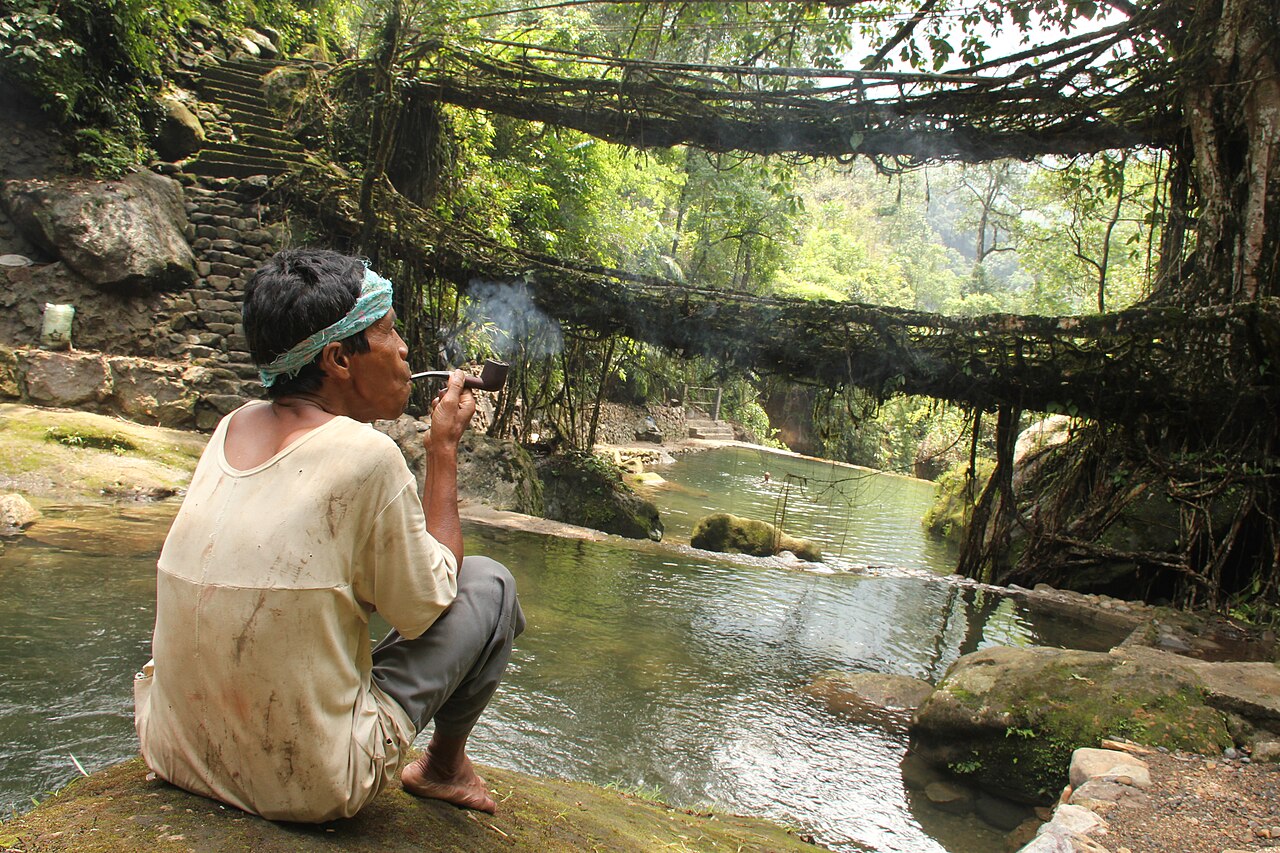
There are easier living root bridges to see in Meghalaya — the single-decker at Mawlynnong, the Riwai bridge near the village, the Ritymmen bridge. But none of them prepare you for Nongriat. The Double Decker Living Root Bridge at the bottom of the Nongriat gorge — two centuries-old bridges stacked vertically, woven from the aerial roots of two separate rubber fig trees — is something that changes how you think about the relationship between humans and nature.
Getting there involves descending 3,500 steps into a rainforest gorge. It is genuinely challenging. It is absolutely worth it.
Understanding the Bridge
The Double Decker bridge consists of two separate bridges, one above the other, created by two adjacent rubber fig trees (Ficus elastica) whose roots were guided across the gorge over many generations by Khasi villagers using a traditional technique:
The lower bridge is estimated to be over 180 years old. The upper bridge is slightly younger. Together they can support over 35 people at a time and are stronger now than when they were first used.
The Trek
Starting Point: Tyrna Village
Tyrna is 58 km from Shillong (1.5–2 hours by cab) and about 4 km from Cherrapunji. The trek begins at the Tyrna village entrance.
The Descent (3,500 Steps Down)
The trail is almost entirely stone steps — uneven, sometimes slippery, occasionally very steep. The 3,500 steps descend approximately 300 metres into the gorge.
At the Bottom: The Bridge & the Pool
The Double Decker bridge spans a clear mountain stream. Below the lower bridge, the stream widens into a natural swimming pool — clear, cold, and absolutely magical on a warm day. Most trekkers spend 1–2 hours here: crossing and re-crossing the bridge, swimming, eating lunch, and simply sitting in one of the most peaceful places in India.
Rainbow Falls Extension (Optional)
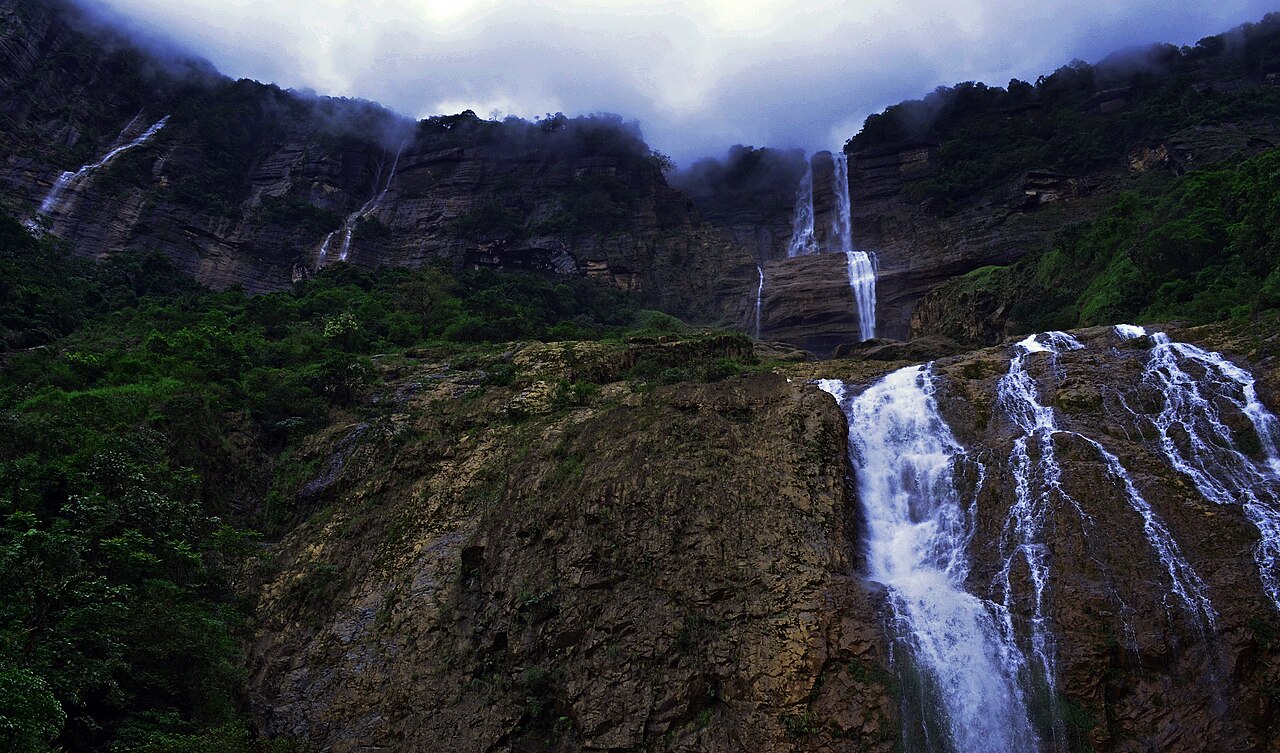
A further 45-minute walk beyond the Double Decker bridge leads to Rainbow Falls — a 30-metre waterfall that creates a rainbow in its mist on sunny mornings. Very few tourists make it this far. If you have the energy, it is spectacular.
The Ascent (3,500 Steps Up)
The return is more demanding than the descent. Allow 2–2.5 hours for the climb back up.
Planning to visit?
Private cab from ₹4,500 · Local driver · Book free, pay a token to confirm
Total time for the full trek: 5–7 hours (including time at the bottom).
What to Bring
Best Time to Visit
Staying Overnight at Nongriat
Several guesthouses and homestays operate in Nongriat village at the bottom of the gorge. Spending a night means you can:
Accommodation is basic (₹600–1,200 per night, usually including meals). Advance booking is essential in peak season.
Getting There
Tyrna village is 58 km from Shillong. Our drivers know the exact route. We include the Nongriat trek in our 5-day and 7-day Meghalaya packages.