India's Most Successful Conservation Story
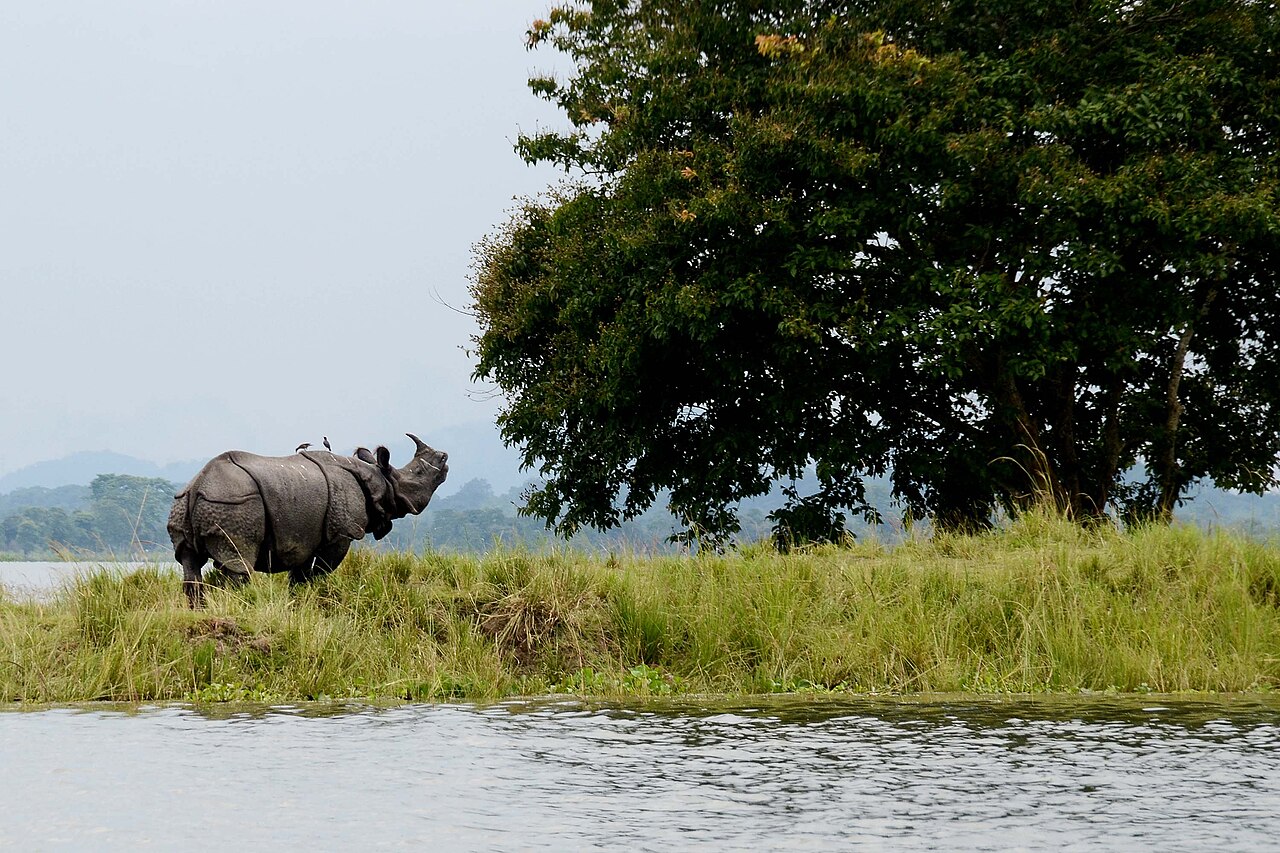
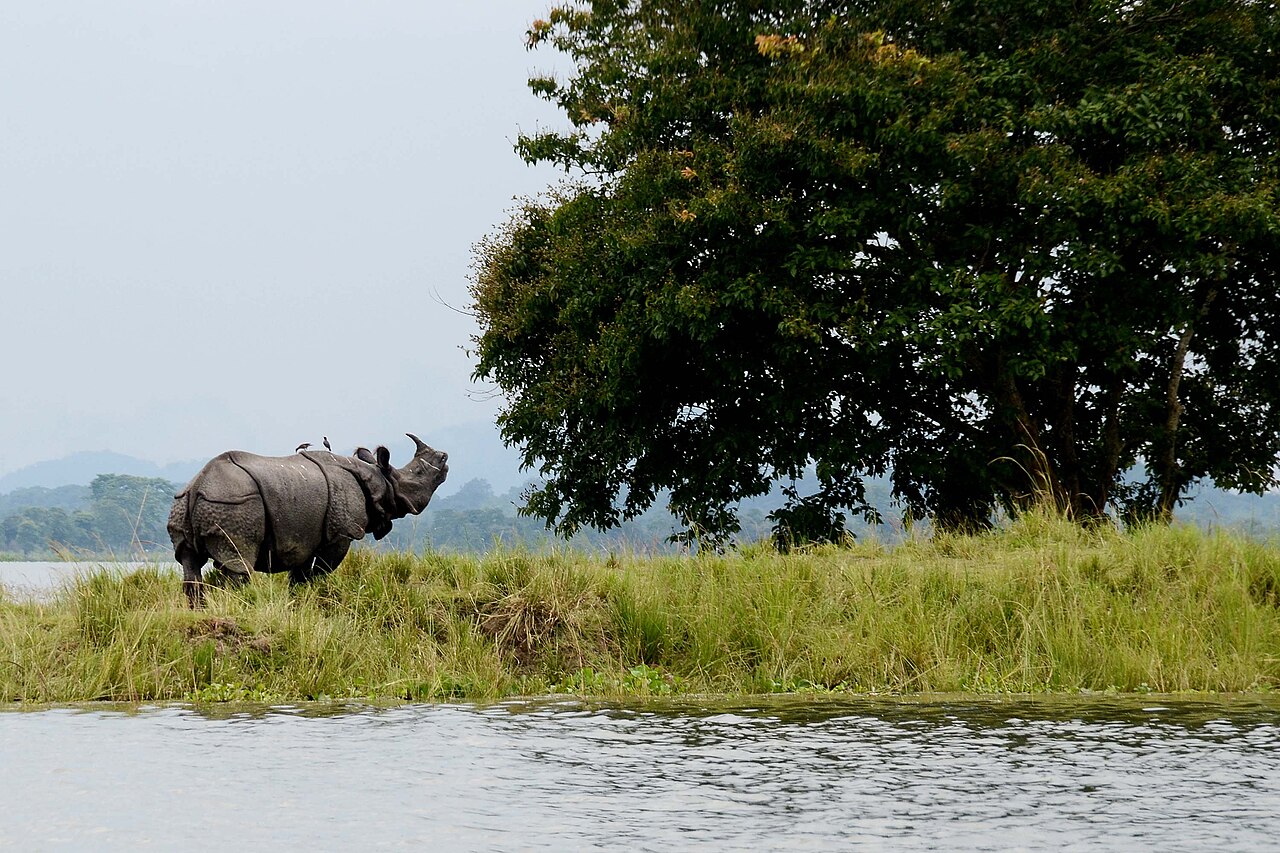
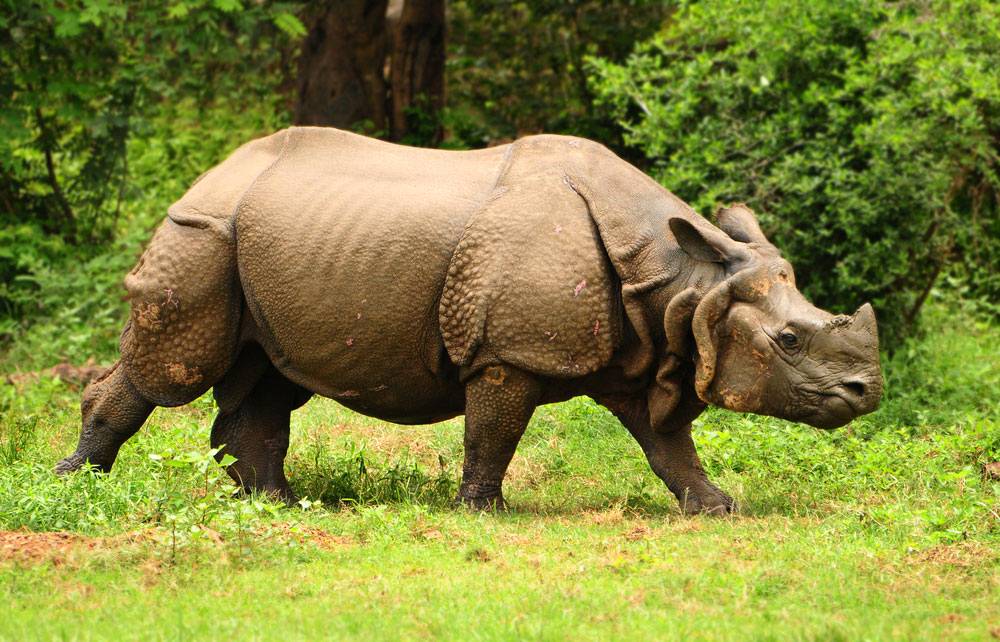
Kaziranga National Park in Assam is home to approximately 2,600 one-horned rhinoceroses — about two-thirds of the world's entire population. Once hunted almost to extinction, the rhino's recovery here is one of wildlife conservation's great success stories. The park spans 430 sq km of alluvial grasslands, wetlands, and dense forest along the Brahmaputra river.
Wildlife You'll See
Safari Options
Jeep Safari
The main way to explore. Three ranges — Western (Bagori), Central (Kohora), and Eastern (Agaratoli). The Central range is most popular for rhinos; the Eastern is best for tigers and elephants.
Timings: Morning (6:00–9:00 AM) and Afternoon (2:30–5:30 PM). Morning is better.
Elephant Safari
A 1-hour ride on elephant-back into the grasslands. Closer to ground level, different perspective. Book at the park office in Kohora.
Planning to visit?
Private cab from ₹4,500 · Local driver · Book free, pay a token to confirm
Best Time to Visit
November to April when the park is open. February–April is ideal — weather is pleasant, vegetation is lower making animals easier to spot.
The park closes from May to October due to Brahmaputra flooding (the floods actually help the ecosystem enormously).
Getting There
Kaziranga is 220 km from Guwahati (4-hour drive). 96 km from Jorhat airport. Most travellers combine it with Shillong and Meghalaya — the Shillong–Kaziranga drive (about 5 hours) passes through beautiful tea country.