3,500 Steps Down
The first thing our driver said when I mentioned the Nongriat trek was: "How are your knees?" He wasn't being discouraging — he was being practical. The walk to the Double Decker Living Root Bridge at Nongriat village involves approximately 3,500 stone steps descending into a steep forested gorge near Cherrapunji. Then the same 3,500 coming back up.
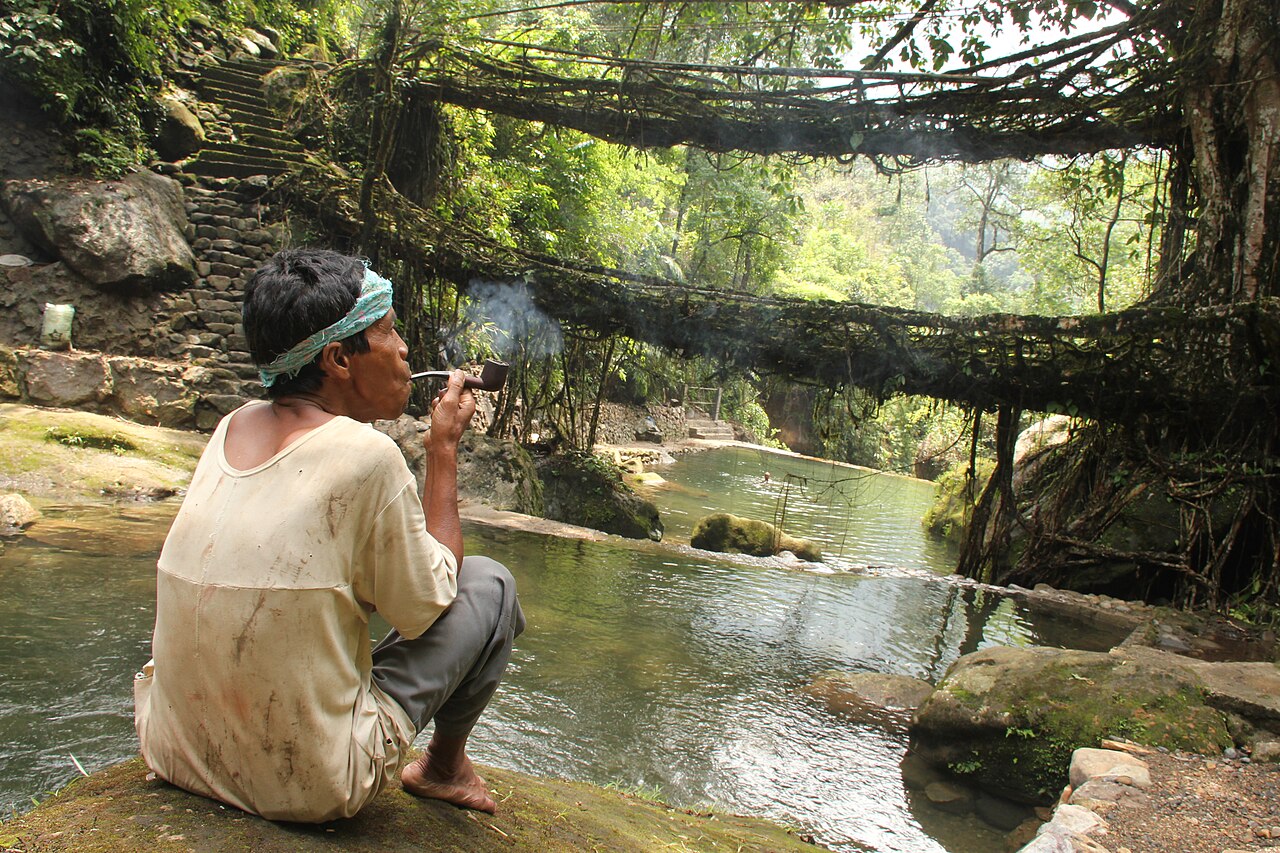
I'm mentioning this upfront because the trek is the point. You can't see this bridge any other way. There's no road, no shortcut, no cable car. The forest closes in around you as you descend, the air gets damper and cooler, the sound of water gets louder — and then you round a bend and see it.
Two bridges, stacked one above the other, grown from the roots of two separate rubber fig trees that have been trained and woven across a river gorge for what local accounts suggest is over 500 years. The lower bridge has handrails made of root. The upper bridge has a wider deck. Both feel solid in a way that should be impossible given what they're made of.
How This Actually Works
The rubber fig tree (*Ficus elastica*) grows aerial roots from its trunk and branches — long, flexible tendrils that can extend for many metres. Someone in the Khasi Hills, centuries ago, noticed that these roots were pliable enough to guide, and began the extraordinarily patient process of making them grow toward the opposite bank of a river.
The traditional technique involves hollowing out a section of betel nut palm trunk and threading young roots through it to direct their growth. Over years — sometimes decades — the roots are coaxed across the gap, encouraged to take hold in the soil on the far bank, and woven together into a walking surface. The whole process takes 10 to 15 years before the bridge is usable. After 50 years it becomes genuinely strong. After 100 years it's stronger than most timber alternatives.
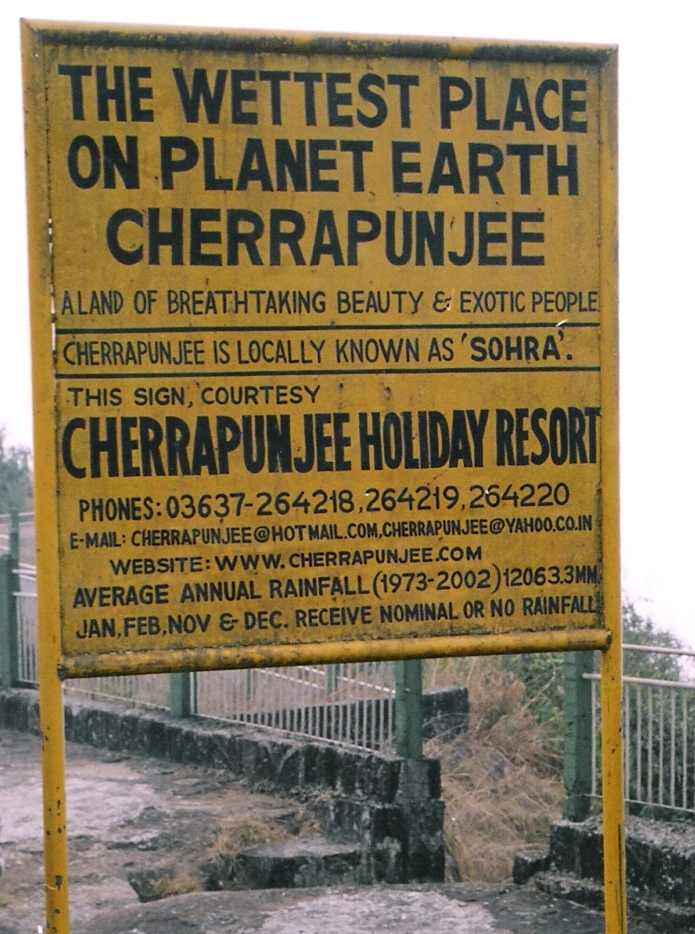
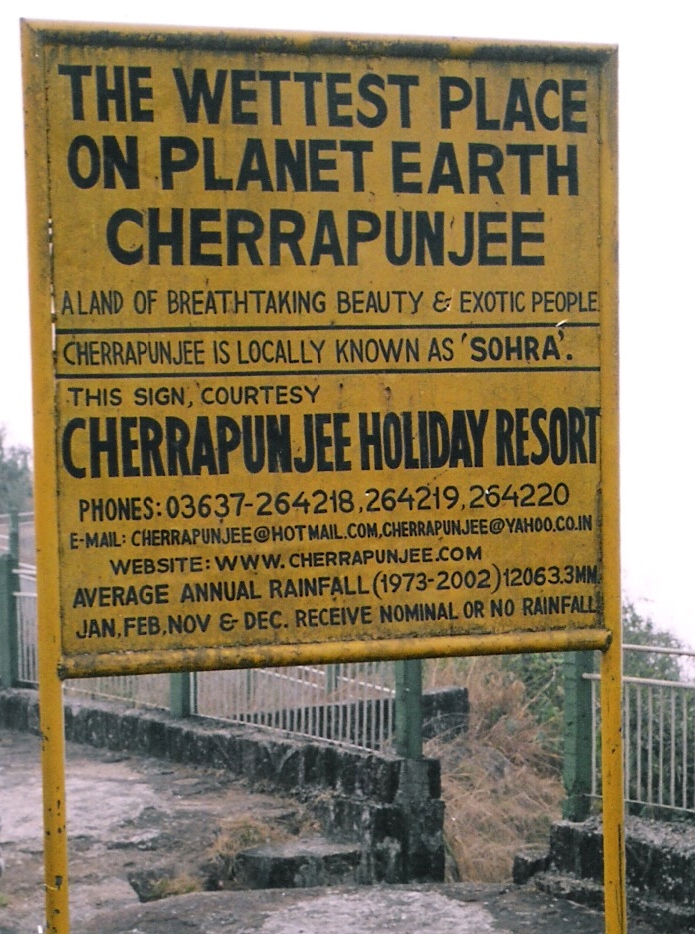
This matters in Meghalaya specifically because the humidity here destroys wooden bridges. The extreme rainfall that makes Cherrapunji and Mawsynram famous — some of the highest rainfall measurements ever recorded — rots timber quickly. Living root bridges don't rot. They grow. The oldest ones are estimated to be over 500 years old and can reportedly hold 50 people at once.
The Nongriat Trek — What to Expect
Starting point is Tyrna village, about 58km from Shillong, close to Cherrapunji. There's parking at the top and a tea stall where you can fuel up before the descent.
The walk down takes 1.5 to 2 hours. The steps are uneven and frequently slippery — this isn't a managed tourist trail, it's a living path through an active village community. Proper shoes with grip are not optional. Carry more water than you think you need (the descent is deceptive; the climb back up is when you feel it).
Local guides from Tyrna charge ₹500 to ₹800 and are worth it — they know the community, can communicate with residents, and take you to viewpoints you'd walk straight past on your own.
Planning to visit?
Private cab from ₹4,500 · Local driver · Book free, pay a token to confirm
At the bottom, beside the Double Decker bridge, there's a natural swimming pool fed by the stream. On a warm day in November or March, it is exactly as good as it sounds.
Rainbow Falls is an additional hour's walk beyond the bridge — a waterfall in a remote gorge that catches a rainbow in its mist on clear mornings. Very few people go that far, which is the best reason to do it.
If the Trek Isn't for You
The Riwai Single Root Bridge near Mawlynnong is a five-minute walk from the road. It's a single-span bridge, not the double-decker spectacle of Nongriat, but it's genuinely beautiful and accessible for anyone regardless of fitness. If you're combining with a Mawlynnong village visit — which you should — it's an easy add-on.
The Ritymmen Bridge is also near Mawlynnong, combining nicely with the village circuit. The Cherrapunji area has several other bridges that are less visited and require shorter walks.
The Preservation Paradox
Here's something I think about: these bridges are threatened by concrete. As remote villages get better road access, concrete footbridges go up in days rather than decades, and the community logic for growing a new root bridge disappears.
But tourism has shifted that equation. Village communities around Nongriat earn meaningful income from the trekkers who arrive wanting to see the bridges. The economic argument for preservation now runs the other way — a living root bridge is worth more alive than replaced.
When to Go
October through May is the window. The monsoon trek to Nongriat (June to September) is genuinely dangerous — the steps are rivers, the paths are mud, and even experienced guides turn people back. October and November are perfect: the streams are running full after the monsoon, the bridges look spectacular, and the forest is its most alive.