The Phone Call I Get Every June
"We're thinking of cancelling. Everyone says Meghalaya in July is a mistake."
I get some version of this call every single June. Last year it was a young couple from Pune — flights booked, then a colleague told them the rains would "ruin everything." They almost paid the cancellation fee.
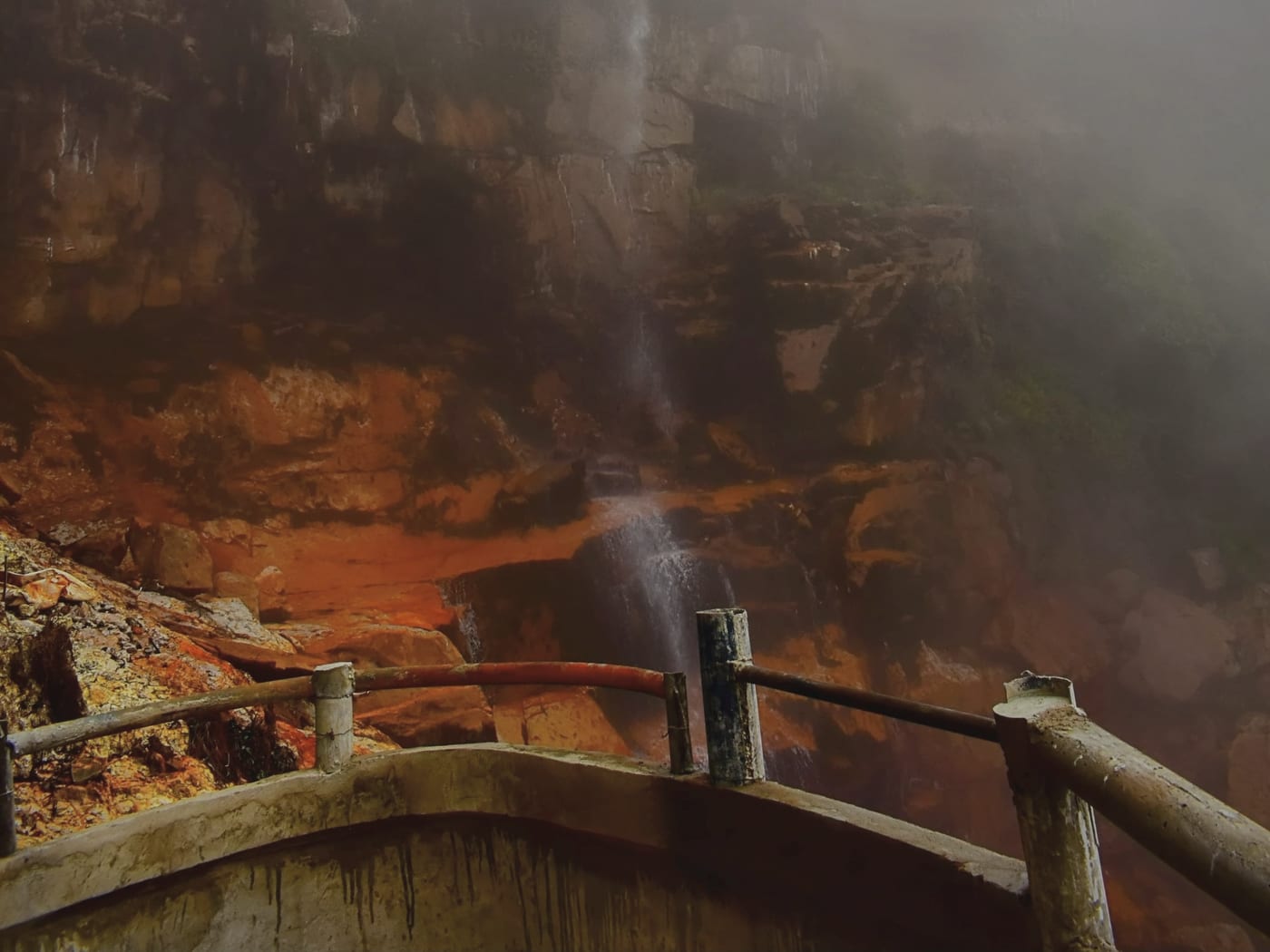
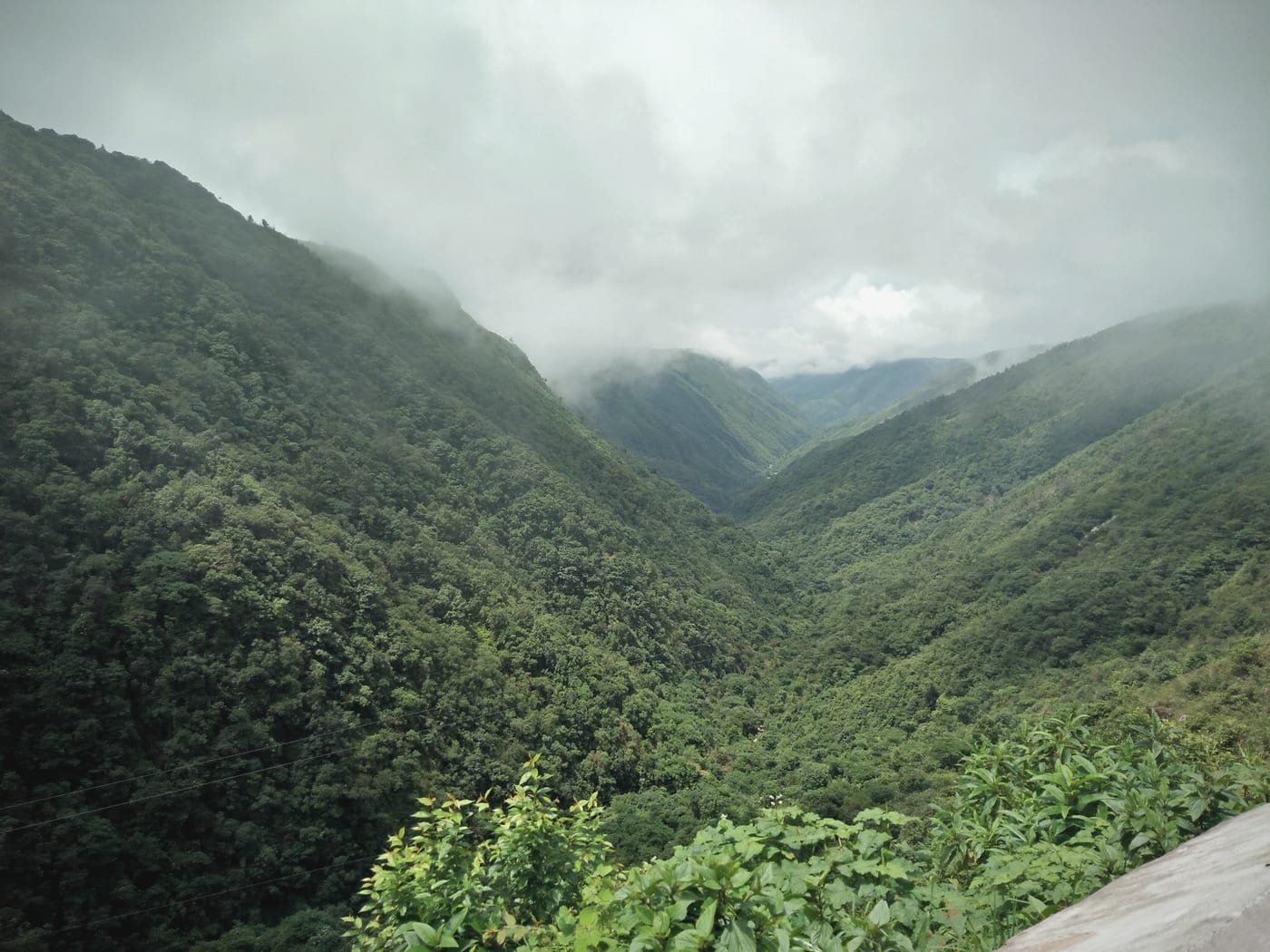
Instead, they came. On their second evening I got a photo on WhatsApp: the two of them at Mawkdok valley, drenched, grinning like children, a river of cloud pouring through the gorge behind them. Under it, one line: *"Why does nobody tell people THIS is what monsoon looks like?"*
That message is this article. Consider yourself told.
The Season the Postcards Are Actually From
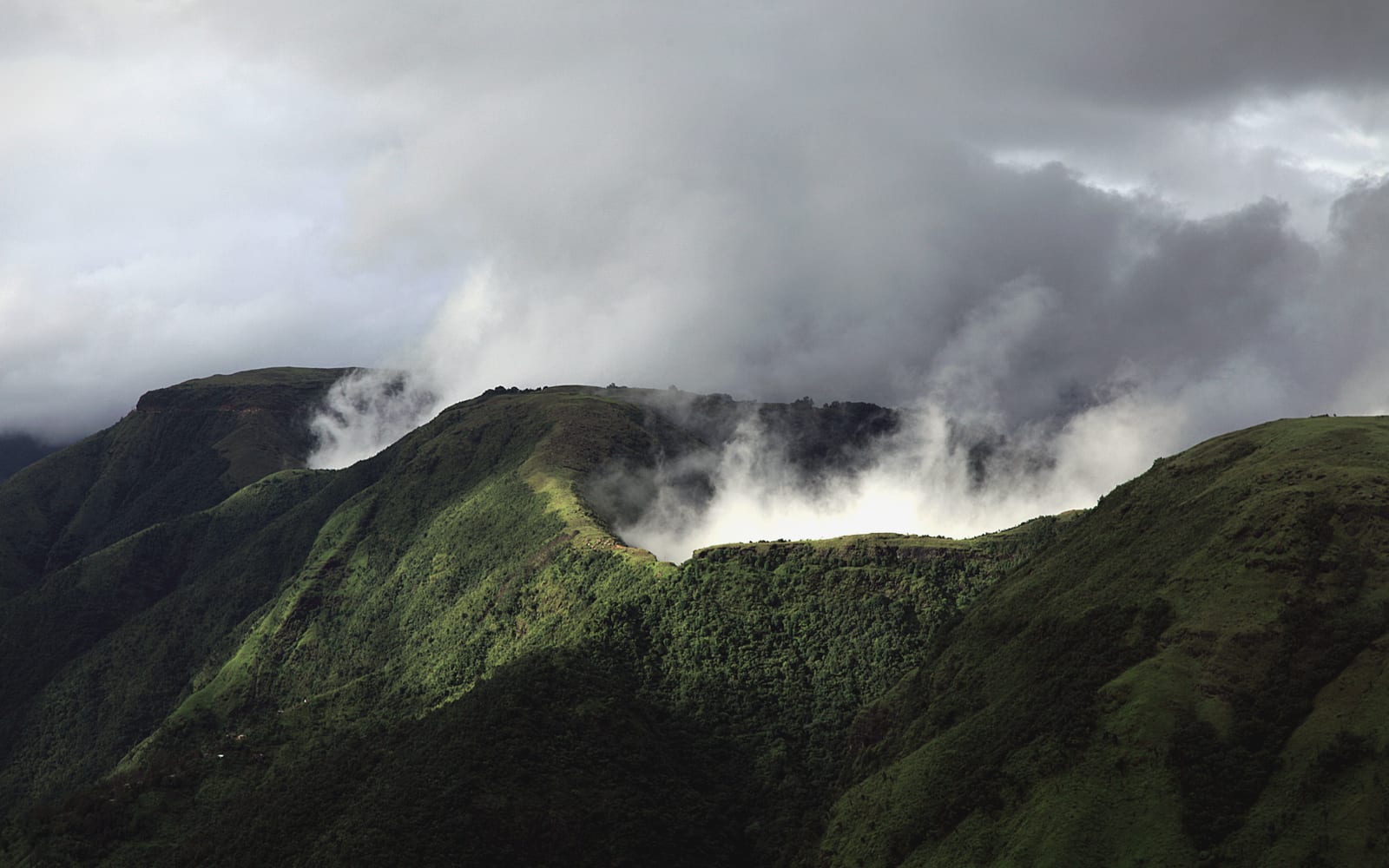
Here's the open secret of Meghalaya tourism: every photo that made you want to come here — the thundering waterfalls, the mist swallowing whole valleys, hills so green they look painted — was shot in the rain. That's not the state's everyday face. That's monsoon Meghalaya, June to September, the season the guidebooks tell you to avoid.
Come in November and you'll have a lovely trip — blue skies, easy roads, thinner waterfalls. But you'll be visiting the theatre after the play has ended. The monsoon *is* the play.
What It Actually Feels Like
Nobody prepares you for the sound. My favourite moment with first-time guests is the walk up to the Nohkalikai viewpoint in July — you hear the falls a full minute before you see them, a low rumble you feel in your chest, like the hills have a heartbeat. Then the mist opens, and 340 metres of white water is falling off the edge of the world in front of you, and every single person goes quiet. I've watched grown men just stand there with their mouths open. I've seen a grandmother from Ahmedabad refuse to leave until the mist closed again — "one more look," she kept saying. Forty minutes of one-more-looks.
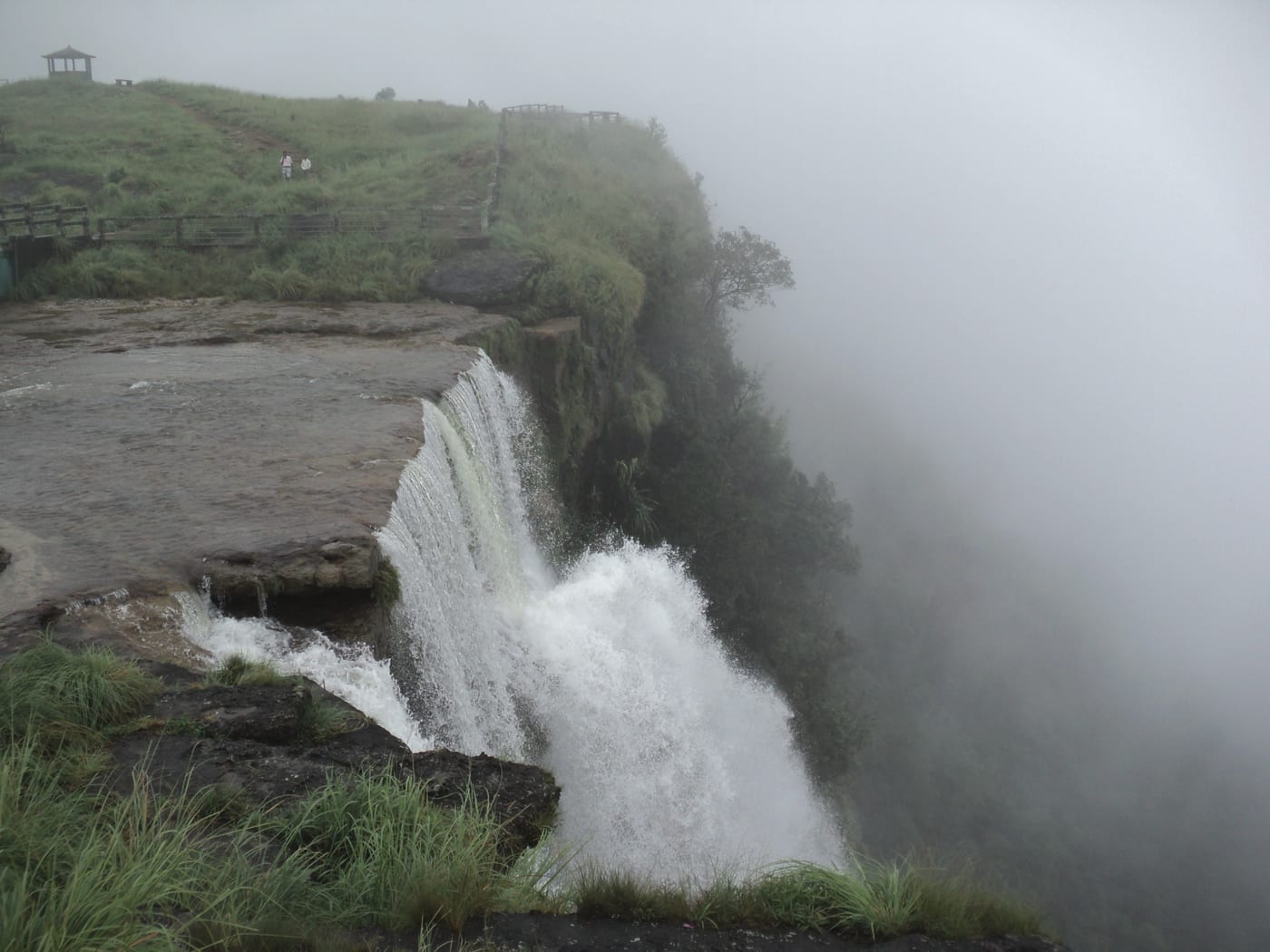
The rain here isn't the grey misery of a city commute. Sohra rain is an event. It announces itself — a curtain crossing the plains of Bangladesh below, a cool wind that arrives first like a messenger — and then it lets go, drumming on tin roofs so loudly that everyone stops talking and just listens, half-laughing. An hour later it's done. Steam rises off the road. The light turns gold. And every cliff face around you is suddenly running with brand-new waterfalls that have no names.
And the smell — wet earth, wet pine, woodsmoke from village kitchens. Guests keep rolling the car windows down in the rain. I've stopped telling them not to.
Things That Only Exist in These Four Months
Seven Sisters Falls. From October to May it's a bare cliff — visitors literally ask if the waterfall is "closed." In monsoon, seven streams leap 315 metres off the plateau side by side. It isn't *better* in the rains. It only exists in them.
The cloud ocean. At Laitlum Canyon and half a dozen bends on the Sohra road, monsoon clouds settle *inside* the valleys, below your feet. You stand on a green shore looking out over white water. I've had guests miss their lunch reservation because they refused, flatly, to get back in the car.
Waterfalls without names. On a wet week, the last twenty minutes of the drive into Sohra passes more waterfalls than most Indian states own — pouring off cliffs, running beside the road, appearing overnight and gone by the weekend. The best photograph of your trip may be a cascade no map has bothered to label.
Solitude. October crowds are real now. In July, some mornings, Nohkalikai belongs to you alone — you, the roar, and the mist. That's not a smaller experience than peak season. It's a bigger one.
Planning to visit?
Private cab from ₹4,500 · Local driver · Book free, pay a token to confirm
What I'll Be Honest About
I'd rather lose a booking than have you arrive with wrong expectations, so here is the truth nobody selling "monsoon magic" tells you:
The Shape of a Perfect Monsoon Trip
Five days, unhurried:
Come While It's Still Raining
Every October, without fail, a guest from the summer writes to me some version of the same message: *"We keep telling people about the clouds. Nobody believes us."*
The monsoon ends. The waterfalls thin out by November. The seven sisters go back to sleep. If any part of you is curious what this state looks like when it's fully awake — this is the season, and it's happening right now.
WhatsApp us at +91 8855853857. Tell us your dates, and we'll build you a rain-proof plan with a driver who's been reading these skies his whole life.