The Story of Assam Tea
In 1823, Scottish explorer Robert Bruce found wild tea plants growing in Assam — a discovery that would change the world's drinking habits forever. Today, Assam's Brahmaputra Valley produces approximately 700 million kg of tea annually, accounting for over half of India's total output and making it the world's single largest tea-growing region.
What Makes Assam Tea Unique
Assam tea is grown at near sea level in the broad, flat Brahmaputra floodplain — very different from Darjeeling's high-altitude bushes. The combination of:
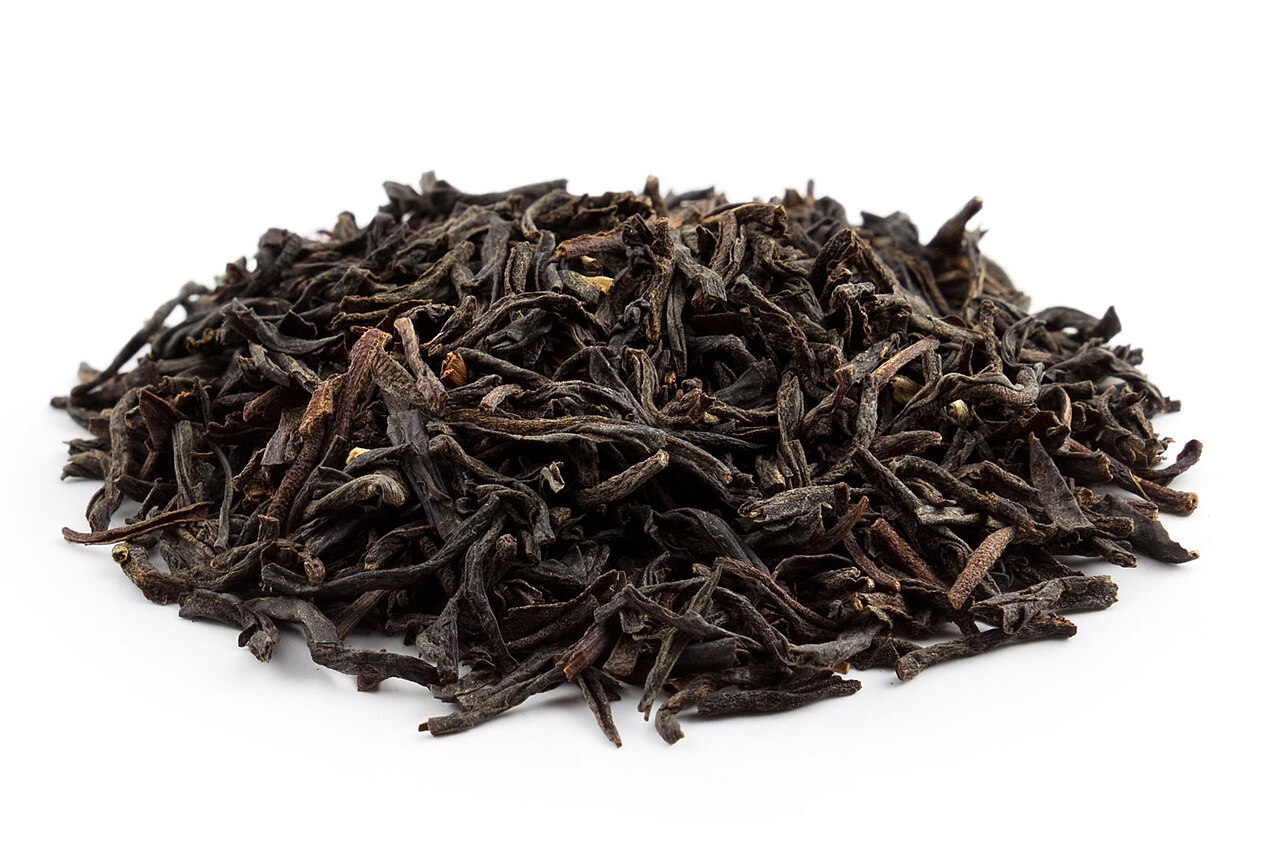
…produces a malty, full-bodied, strong brew with a characteristic amber colour. It's the base of most British Breakfast and Masala Chai blends.
Visiting Tea Gardens
Several gardens near Jorhat, Dibrugarh, and Tezpur welcome visitors:
Gibbon Wildlife Sanctuary Area (Jorhat)
Stay at heritage tea bungalows — former British planters' residences converted to boutique accommodation. Wake up to mist over endless rows of green.
Dibrugarh
Called the "Tea City of India." The Tocklai Tea Research Institute (the world's oldest tea research station) occasionally allows visits. Gardens on the outskirts offer informal tours.
Planning to visit?
Private cab from ₹4,500 · Local driver · Book free, pay a token to confirm
Kaziranga Road (NH 715)
The highway connecting Guwahati to Kaziranga passes through or beside dozens of gardens. Even a slow drive with your windows down gives you the fragrant, intoxicating smell of fresh tea leaves.