The Festival That Drives Away Evil
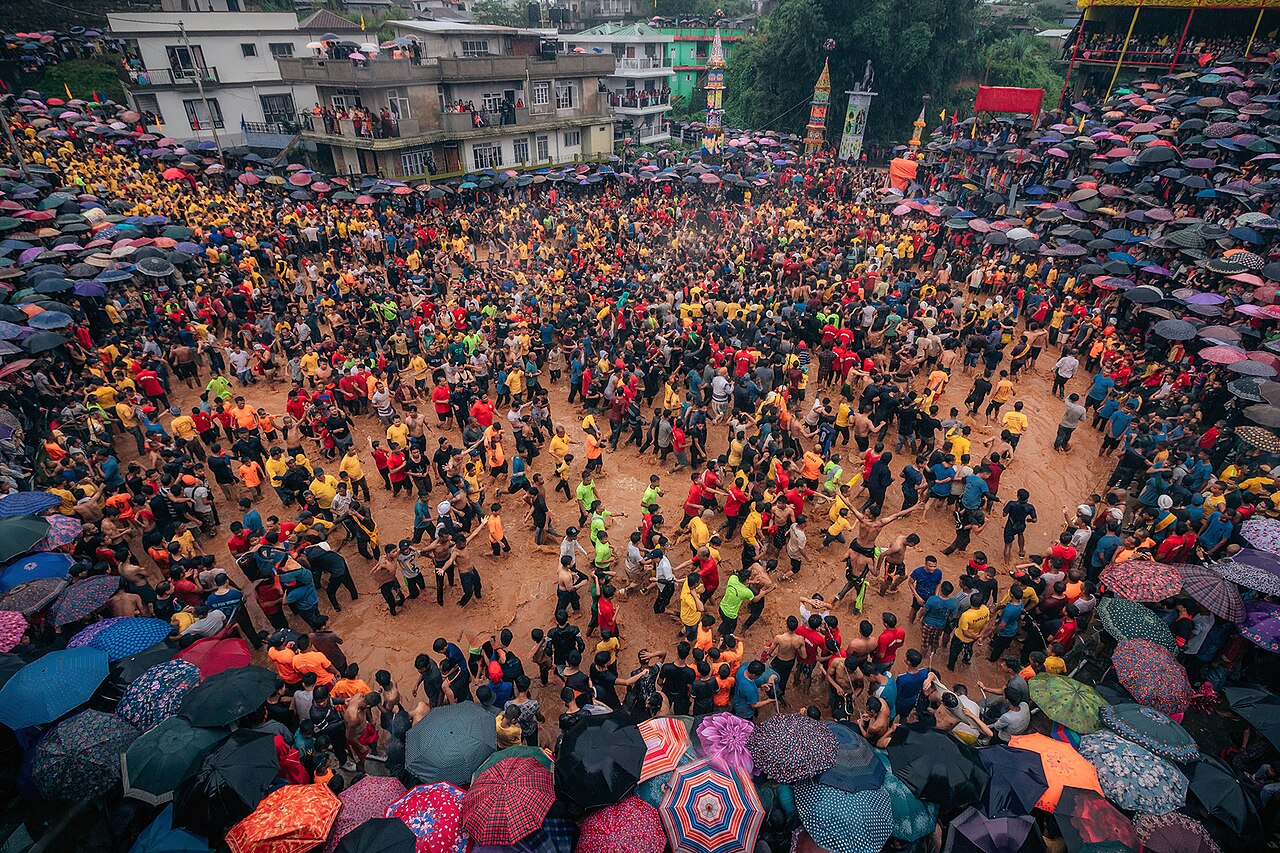
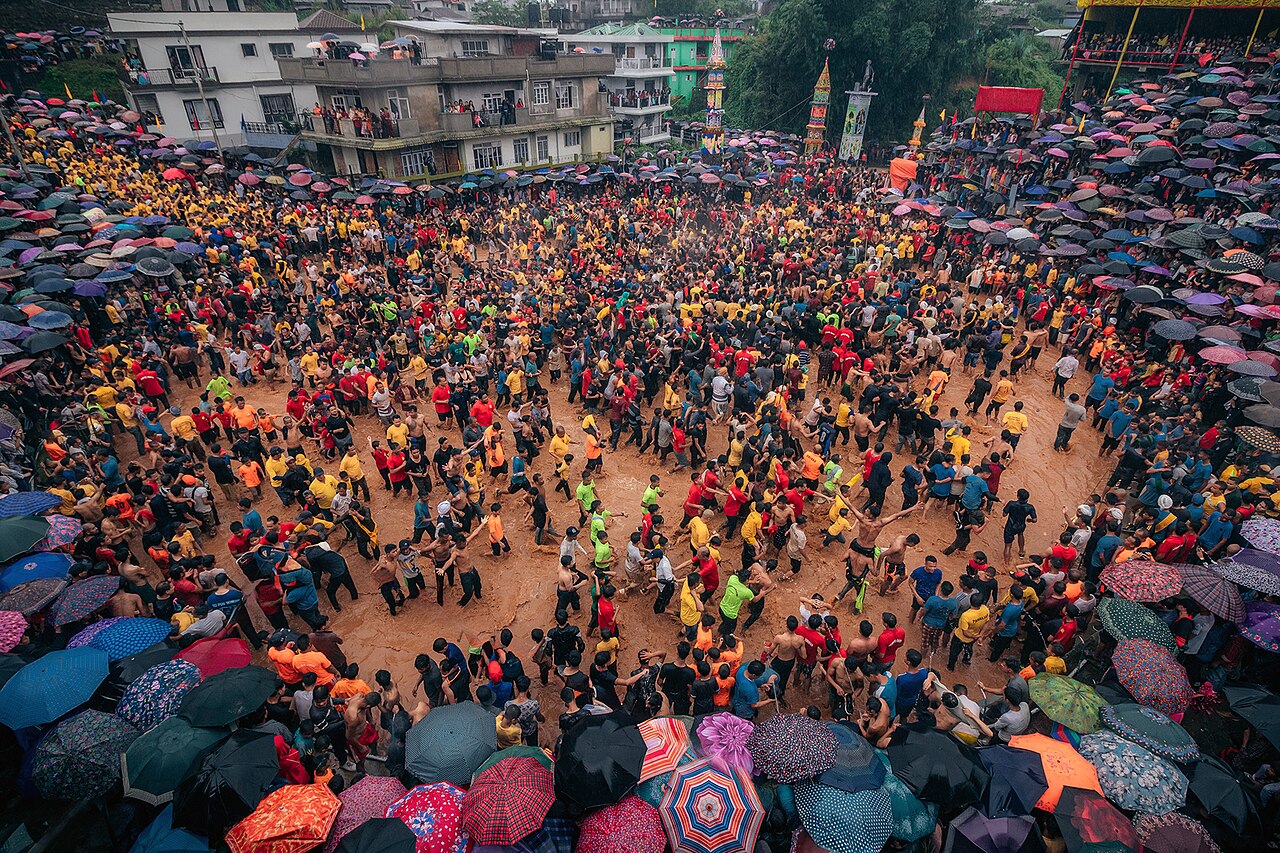
In the Jaintia Hills of eastern Meghalaya, every July, the town of Jowai transforms into a spectacle of colour, music, and ancient ritual. Behdienkhlam — the most important festival of the Jaintia (Pnar) people — is a four-day ceremony to drive away plague, disease, and evil spirits and invoke rain and divine blessing for the coming harvest.
The name "Behdienkhlam" roughly translates to "driving away the demon of plague" in the Pnar language. Its origins predate written history, rooted in the traditional animist beliefs of the Jaintia people before the arrival of Christianity in the 19th century. Today it is observed by both Christian and traditional Jaintia families as a cultural festival of community identity.
The Rots: The Visual Centrepiece
The most visually spectacular element of Behdienkhlam is the rot — an elaborate wooden tower, sometimes 10–15 metres tall, constructed by young men of each locality in the weeks before the festival. These structures are:
The rots are not permanent — they are built specifically for the festival and dismantled afterward. The competitive element (which group builds the tallest, most elaborate rot?) drives extraordinary effort and creativity.
On the main day, scores of these towers are carried through the streets by teams of young men, dancing and singing as they go. The atmosphere is electric — drums, horns, and the cheering of thousands of spectators.
The Rituals
Day 1 (Ritum)
The festival begins with prayers at the sacred river site. Community leaders and priests perform opening rituals to invoke the presence of the deities.
Day 2 (Ka Bam)
Young men of each locality go into the forest to cut bamboo and wood for the rot towers. Sacred plants and materials are collected according to traditional protocols.
Day 3 (Rit Kynmaw)
The rot towers, now completed, are carried in procession to the river — a symbolic act of driving the evil spirits (represented by the rot) into the water, where they are swept away.
Day 4 (Ka Chad Sukra)
The concluding day features the sacred football match — a traditional game played with a wooden ball, where the rules and significance are entirely different from modern football. The game represents the struggle between good and evil and is taken very seriously by participants.
Evening: community feasting, traditional music, and dancing continue late into the night.
Traditional Music of Behdienkhlam
The festival has a distinctive soundscape:
Planning to visit?
Private cab from ₹4,500 · Local driver · Book free, pay a token to confirm
The music is joyful and rhythmic — quite different from the more solemn ceremony of Nongkrem in the Khasi Hills.
When & Where
For Visitors: Practical Tips
Combining Behdienkhlam with Jaintia Hills Tourism
A Behdienkhlam visit pairs well with:
July is monsoon season, so bring rain gear and pack accordingly.
See Behdienkhlam and the Jaintia Hills with reliable transport. Meghalaya Cabs provides Jowai packages from Shillong with drivers who understand festival logistics and road conditions in July. Book your trip online →