
The short answer
September to March. Dry, open skies, everything running.
That is true and it is also what every website says. The longer answer is more useful, because Kerala has three quite different climates stacked on top of each other — coast, backwater and hill — and they do not all peak at the same time.
October to February — the settled season
This is the window if you want one trip to work everywhere.
The monsoon has cleared. Munnar is open and visible. The backwaters are full but not flooding. The coast is warm without being punishing. Athirappilly still has water in it from the rains.
December and January are peak. Hotels are at their highest and the good houseboats and estate rooms are gone months ahead. If you are travelling then, book early — that is not a sales line, it is just how the inventory works.
March to May — hot on the coast, fine in the hills
The plains and the coast get properly hot and humid from March. Kochi in May is hard work.
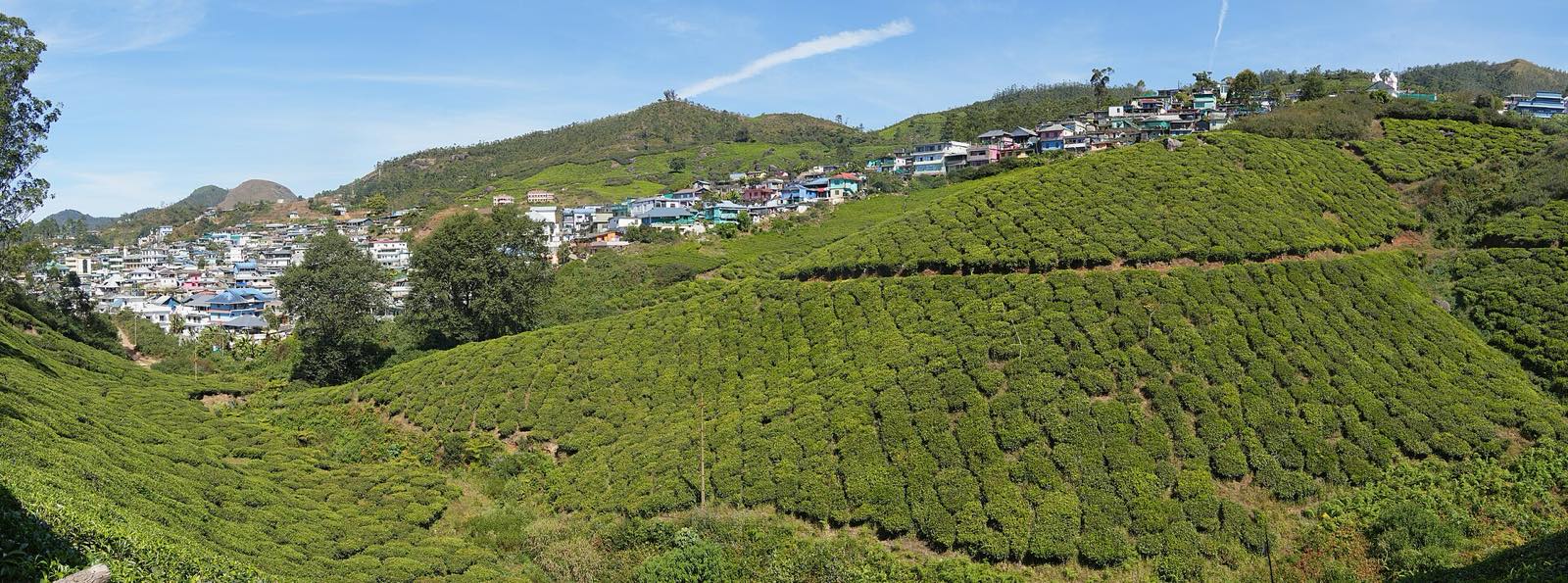
But the hills stay comfortable. Munnar, Wayanad and Thekkady sit between 15 and 30 degrees while the coast is at 35 with humidity. A hills-only trip in April is an underrated idea and it is much cheaper than the same trip in December.
What you lose: waterfalls. Athirappilly in April is a fraction of what it is in October. Jog Falls next door in Karnataka can be almost dry.
June to September — the monsoon, and who it is for
Kerala's monsoon is not a washout. It is heavy rain in bursts, then bright gaps.
What it is genuinely good for:
The backwaters. Rain on the canals, watched from a covered deck, is one of the better things in India and it is the cheapest time of year to do it.
Ayurveda. This is the traditional treatment season and it is not a marketing invention — the humidity is considered to open the pores and the classical texts specify it. Serious Ayurvedic centres are busiest now.
Green. Everything is aggressively, ridiculously green.
What it is bad for:
Munnar. The hills sit in cloud, sometimes for days. You can spend two nights in a tea estate and never see tea.
Planning to visit?
Private cab from ₹4,500 · Local driver · Book free, pay a token to confirm
Hill roads. Landslides happen on the ghats, and drive times stretch.
Beaches. The sea is rough and the undertow is real. Swimming at Varkala and Kovalam in the monsoon is not sensible.
Month by month, briefly
January — best weather, highest prices, busiest.
February — excellent. Eravikulam usually closes for tahr calving this month.
March — still good, warming fast on the coast.
April, May — hills yes, coast no.
June, July — heavy monsoon, cheapest, Ayurveda season.
August — Onam usually falls here. Festive, busy in a different way, and worth seeing.
September — the rain eases. Underrated month: green from the monsoon, prices still low.
October, November — waterfalls full, skies clearing. Arguably the best value of the year.
December — peak everything.
If you only care about one thing
Backwaters: September to March, or the monsoon if you want it cheap and atmospheric.
Munnar and the hills: October to March, or April and May to escape the heat.
Beaches: November to February.
Waterfalls: August to November.
Ayurveda: June to September.
Booking around it
Whatever month you pick, the two things that sell out first are private houseboats and estate rooms in Munnar. Everything else can be arranged fairly late.
Tell us your dates and we will tell you honestly what those dates will give you — including if we think you should move them.