The Most Powerful Shakti Peetha
On Nilachal Hill overlooking Guwahati and the Brahmaputra River, the Kamakhya Temple is one of the 51 Shakti Peethas of Hinduism and considered among the most important tantric pilgrimage sites in Asia. Every year, hundreds of thousands of pilgrims climb the hill to receive the blessings of Goddess Kamakhya — a form of the Divine Mother associated with desire, fertility, and creative power.
For travelers passing through Guwahati on their way to Meghalaya, Kaziranga, or Arunachal Pradesh, Kamakhya is unmissable — both as a profound religious experience and as one of the most architecturally distinctive temples in India.
The Legend
According to Hindu mythology, when Sati (the wife of Shiva) died, Shiva wandered the cosmos in grief, carrying her body. To release him from his anguish, Lord Vishnu used his Sudarshana Chakra to cut Sati's body into 51 pieces, which fell to earth at different locations — each becoming a Shakti Peetha.
At Kamakhya, it is believed that the yoni (womb) of Sati fell — making it the most powerful and intimate of all the Shakti Peethas. The inner sanctum of the temple houses not an idol but a natural cleft in the rock that is worshipped as the divine form of the goddess.
The Temple
The current temple structure dates primarily to the 16th century, though there is evidence of worship at the site for much longer. The architecture is a blend of Bengal and Assamese styles — the distinctive beehive-shaped shikhara (tower) is iconic and unlike any other temple in India.
The outer courtyard contains several smaller shrines dedicated to other deities including Bhairavi, Tara, and the Ten Mahavidyas (the ten forms of the Divine Mother in tantra).
The Ambubachi Mela
The most significant annual event at Kamakhya is the Ambubachi Mela — held every June when the goddess is believed to be menstruating (a natural phenomenon where an underground spring causes the water inside the temple to turn reddish). During this four-day festival (usually mid-June), the temple is closed for three days, then reopens with massive celebrations.
Ambubachi Mela attracts hundreds of thousands of pilgrims and sadhus (Hindu holy men), including tantric practitioners from across India. It is one of the most intense and authentic religious gatherings in the country — extraordinary to witness if you can manage the crowds.
Visiting Kamakhya Temple
Getting There
Entry & Tickets
Planning to visit?
Private cab from ₹4,500 · Local driver · Book free, pay a token to confirm
What to Expect Inside
The queue system separates free darshan (can take 2–4 hours on weekdays, much longer on weekends) from paid darshan (usually 30–60 minutes). The inner sanctum is small, dark, and intensely atmospheric. The priests (pandas) perform a continuous puja, and the smell of incense and flowers is overwhelming.
The stone yoni in the sanctum is naturally moist — the dampness is considered sacred. Prasad (offering) is distributed: red cloth and kumkum (vermilion).
Best Time to Visit
Dress Code
The View from Nilachal Hill
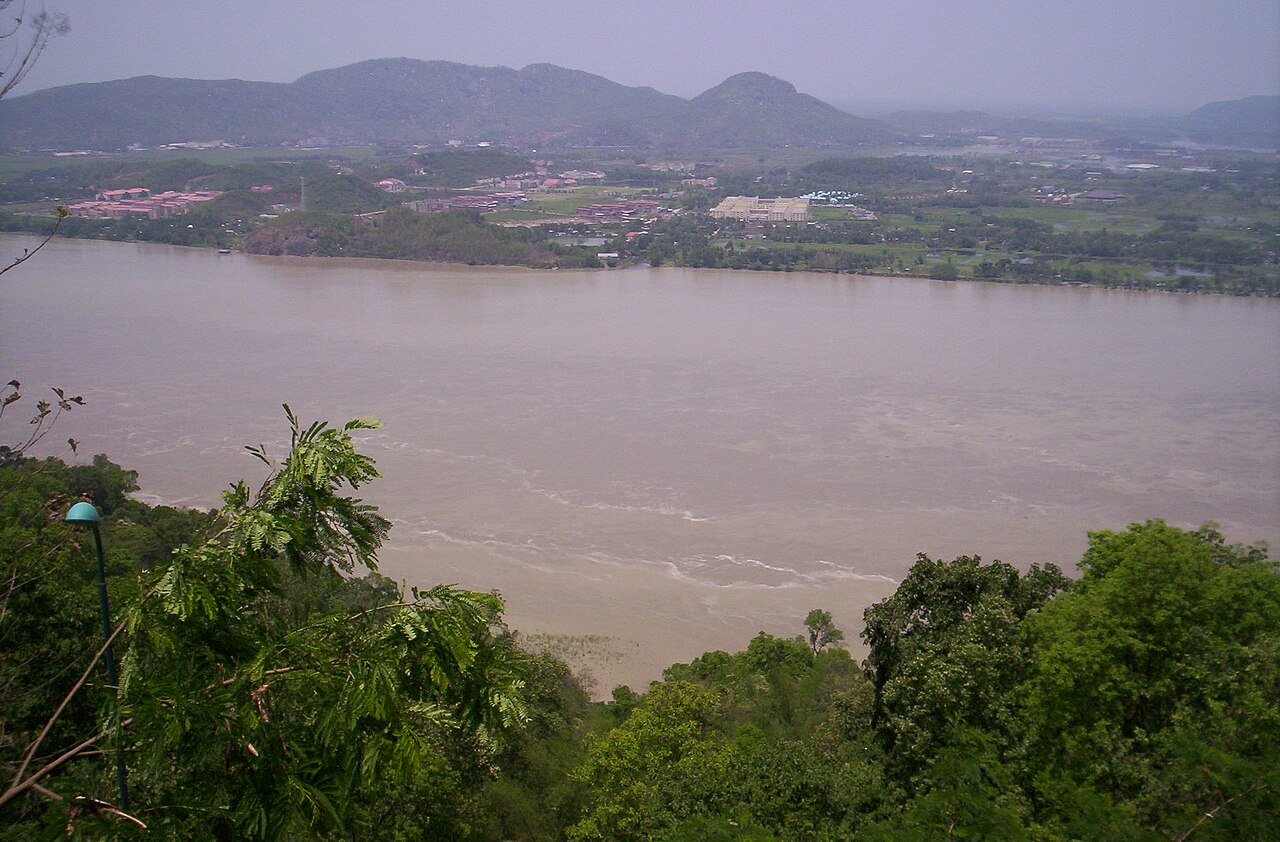
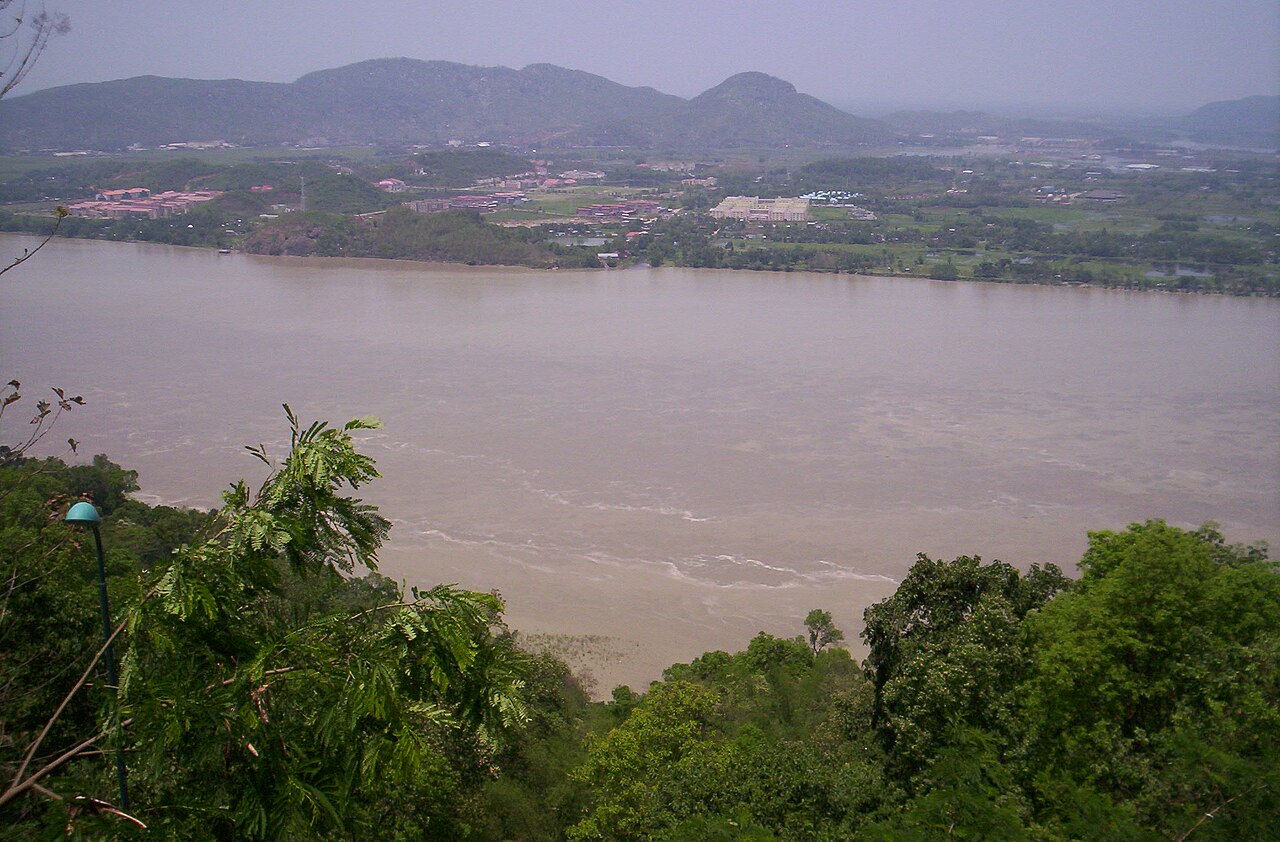
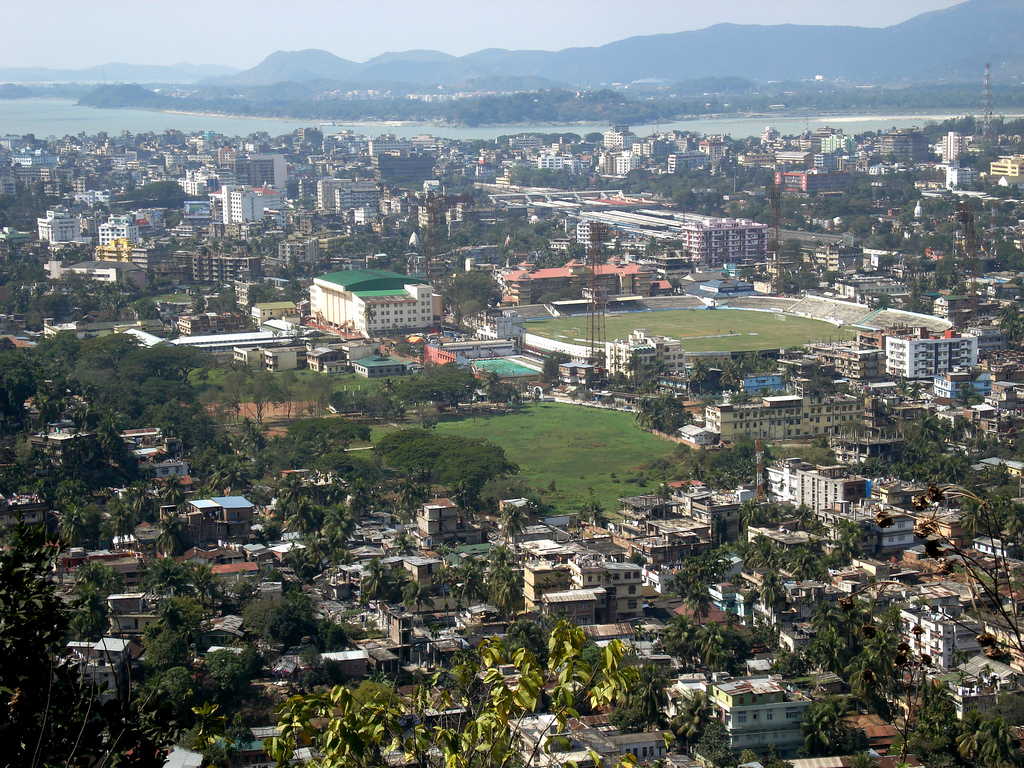
Even apart from the religious experience, the view from Kamakhya Hill is excellent — the Brahmaputra spreads wide below, with Guwahati's skyline and the hills of Meghalaya visible on the southern horizon. Worth spending a few minutes absorbing before or after your temple visit.
Combining Kamakhya with Your Meghalaya Trip
Kamakhya is almost perfectly placed as a first-morning stop before driving to Shillong:
Meghalaya Cabs provides Guwahati airport pickup with a Kamakhya Temple stop en route to Shillong. Book your trip online →