The World Record Holder
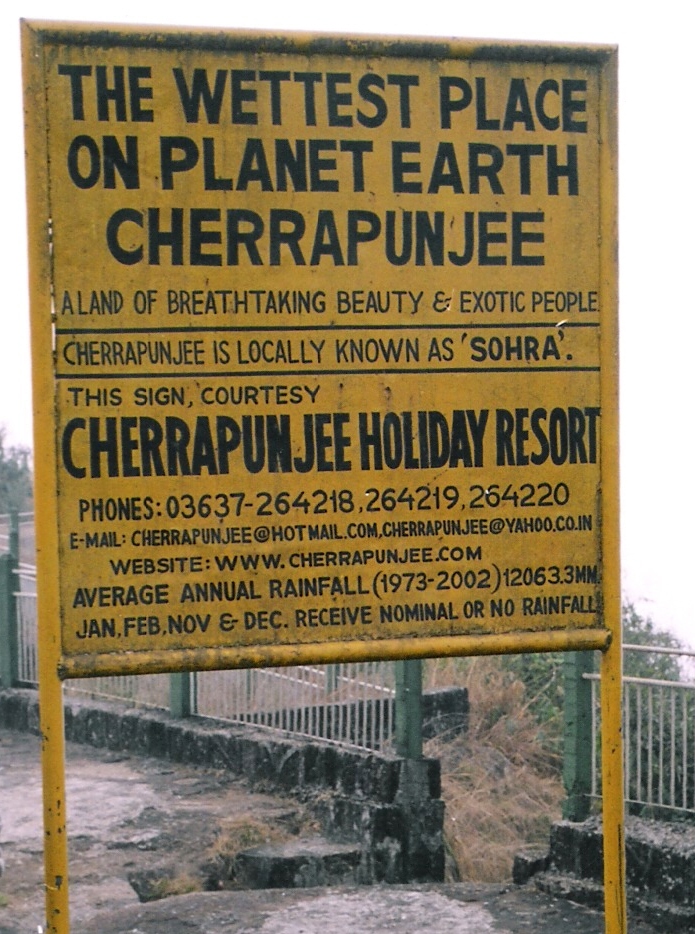
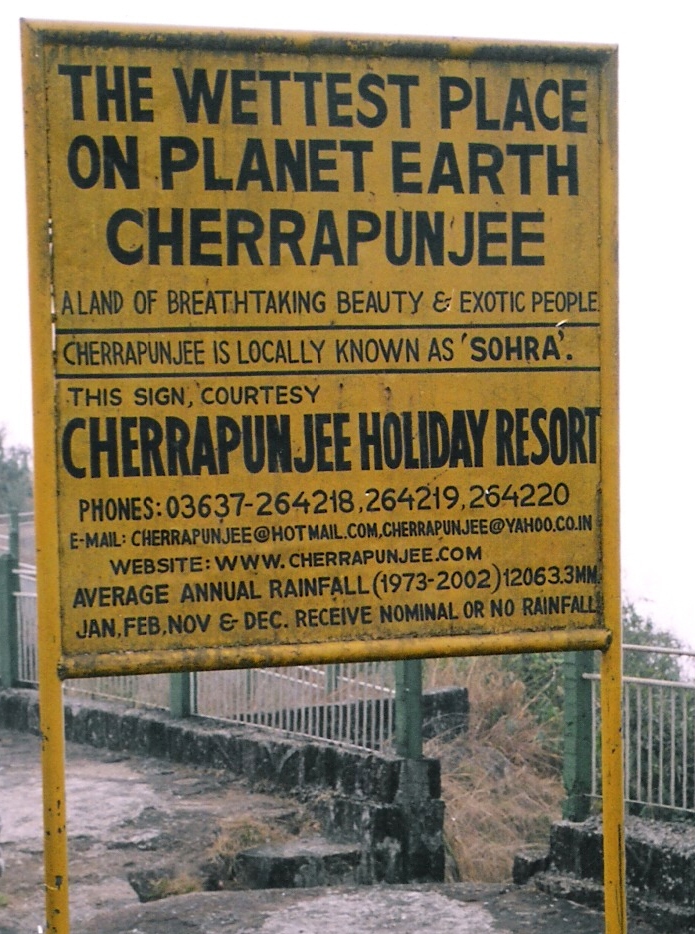
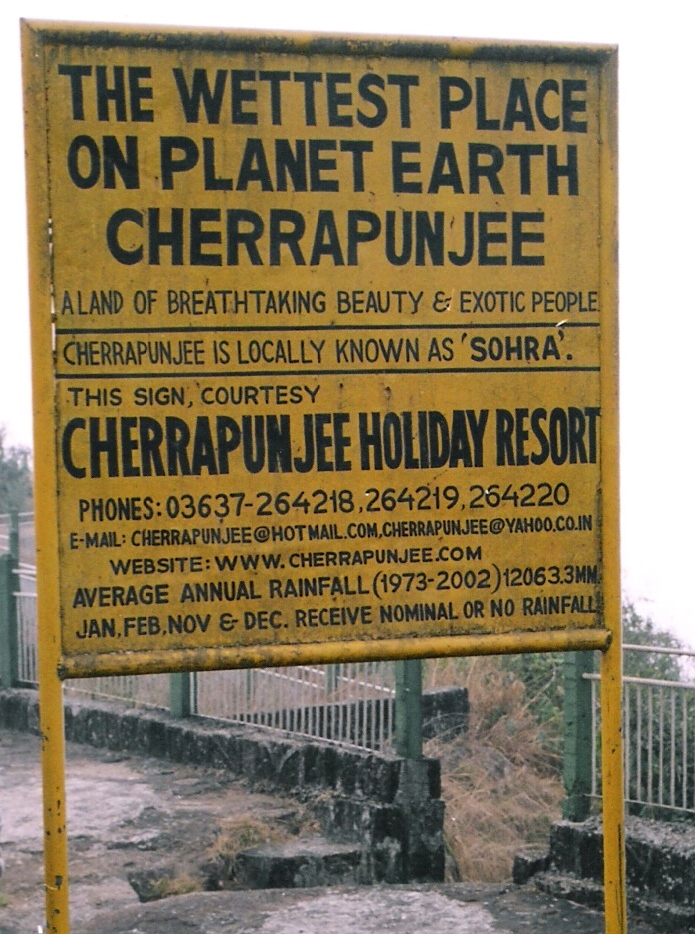
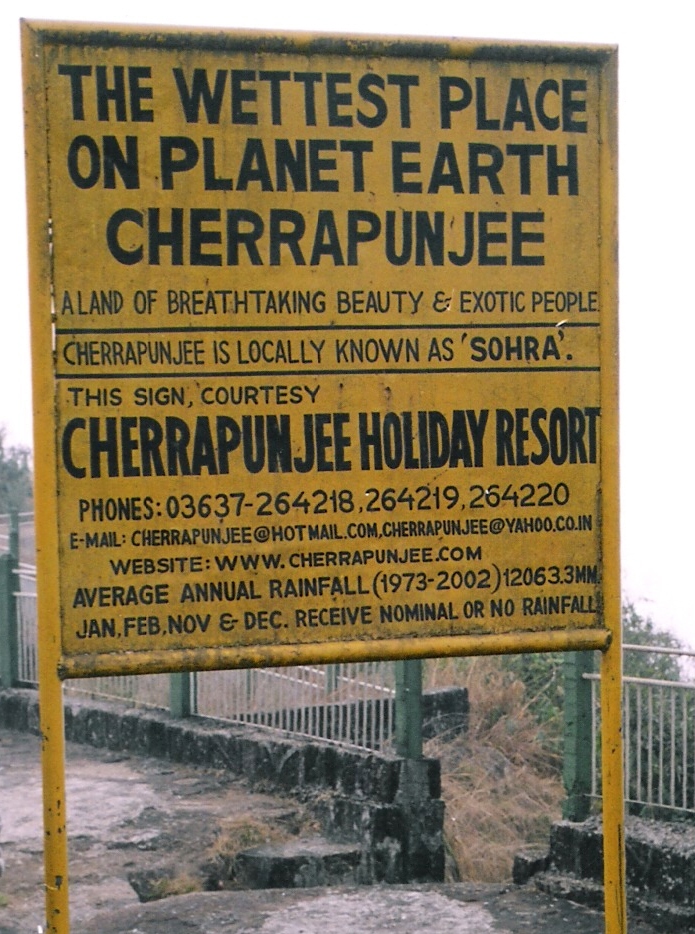
Most people have heard that Cherrapunji is the wettest place on Earth. It's in every geography textbook. But the actual world record holder — for highest average annual rainfall — is a small village called Mawsynram, located just 15km west of Cherrapunji on the same plateau.
Mawsynram receives an average of 11,872mm of rain per year (India Meteorological Department figures), compared to Cherrapunji's 11,777mm. The difference is modest, but the record is Mawsynram's — and has been since the 1980s when IMD began detailed measurements at both stations.
Both villages sit on the southern edge of the Meghalaya plateau, where moisture-laden Bay of Bengal winds are forced sharply upward by the escarpment, dropping their entire load of water in concentrated bursts. The local topography means certain hillsides receive dramatically more rain than others just a kilometre away.
Why Cherrapunji Gets All the Attention
Cherrapunji (officially Sohra) had the wettest-place title first — it was recorded as the world's wettest location in colonial-era British records, and the name stuck in popular imagination. It also has far more tourist infrastructure: waterfalls, caves, root bridges nearby, and a well-developed road from Shillong. Mawsynram, by contrast, is a quiet agricultural village with limited facilities.
What's in Mawsynram?
The Village
Mawsynram is a small, unhurried Khasi village. Its main claim to fame is the rainfall record, but it also has:
The Knup
The traditional Mawsynram knup is a practical marvel. It's a large, turtle-shell-shaped hat woven from bamboo and covered with palm leaves, designed to keep farmers dry while working in the fields during monsoon. It covers from head to below the waist and allows both hands to be free. You'll find these sold in village markets and at roadside stalls — they make excellent and genuinely functional souvenirs.
Mawsynram vs Cherrapunji: Which Should You Visit?
Visit Cherrapunji if: You want waterfalls (Nohkalikai, Seven Sisters), caves (Mawsmai, Krem Mawmluh), the living root bridges, and more developed tourist infrastructure.
Planning to visit?
Private cab from ₹4,500 · Local driver · Book free, pay a token to confirm
Visit Mawsynram if: You want the authentic world record site, the Mawjymbuin Cave, fewer crowds, and a more genuine village experience. It rewards curious travelers willing to go slightly off the beaten path.
Best option: Visit both on the same day — they are only 15km apart.
Getting to Mawsynram
Best Time to Visit
Tips
Explore the world's wettest village with Meghalaya Cabs. We run combined Mawsynram–Cherrapunji day trips from Shillong that cover both locations comfortably. Book your trip online →