Rethinking the Monsoon
Most travel advice says: avoid Meghalaya in monsoon. The roads are slippery, the waterfalls are clouded in mist, and the rain is relentless. All of that is true. And yet — a growing number of travelers are deliberately choosing to visit Meghalaya in June through September, and coming back calling it the most atmospheric, most vivid, most alive version of the state.
Here is why monsoon Meghalaya might be exactly what you're looking for.
What Makes Monsoon Meghalaya Special
The Waterfalls
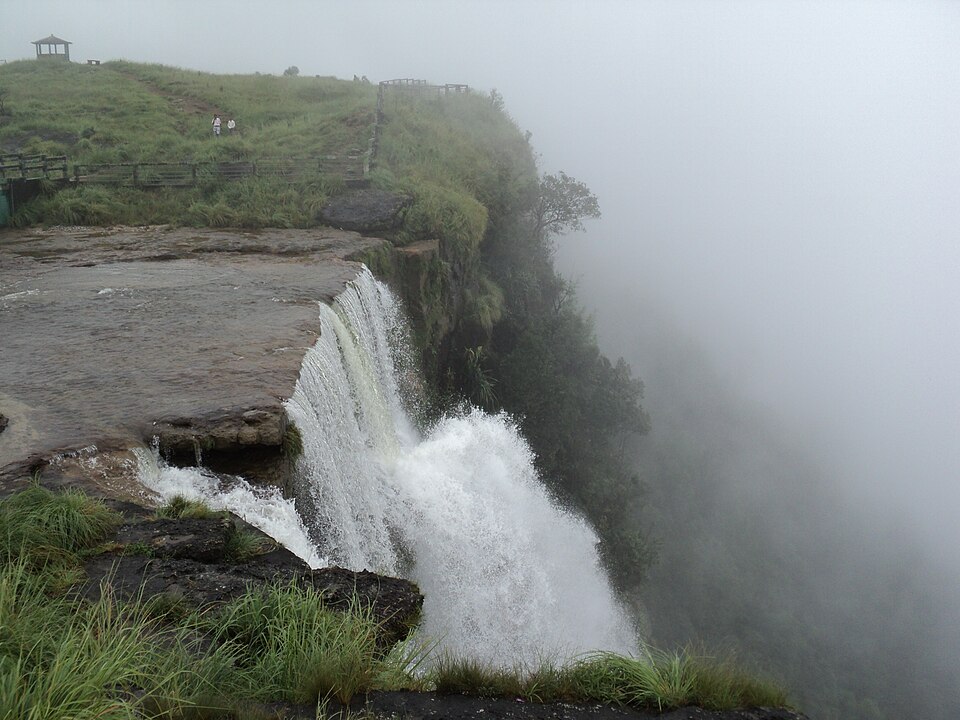
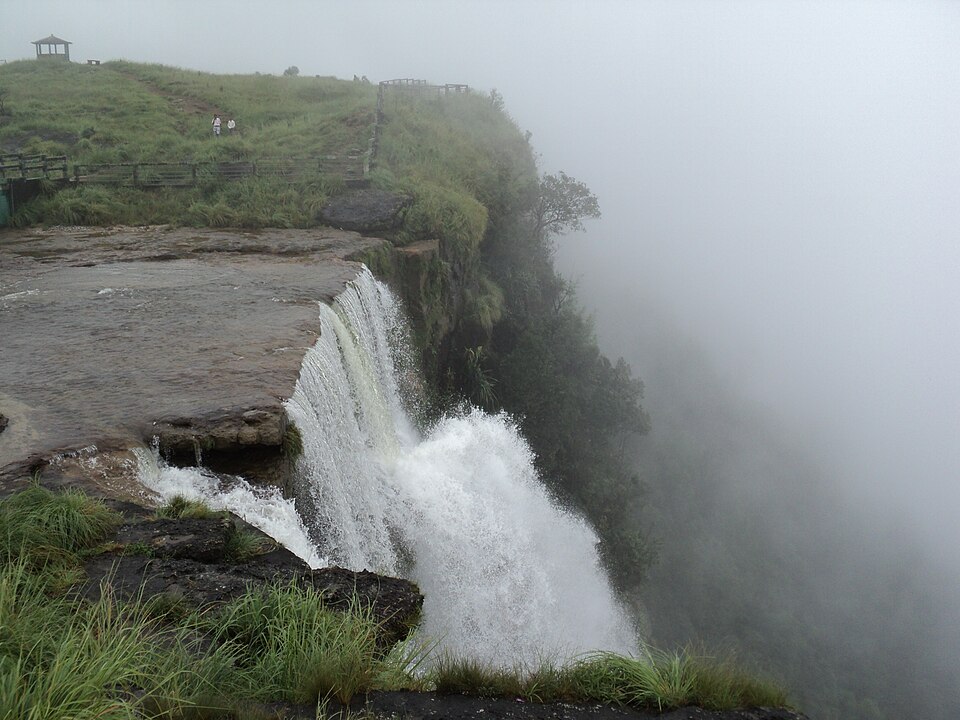
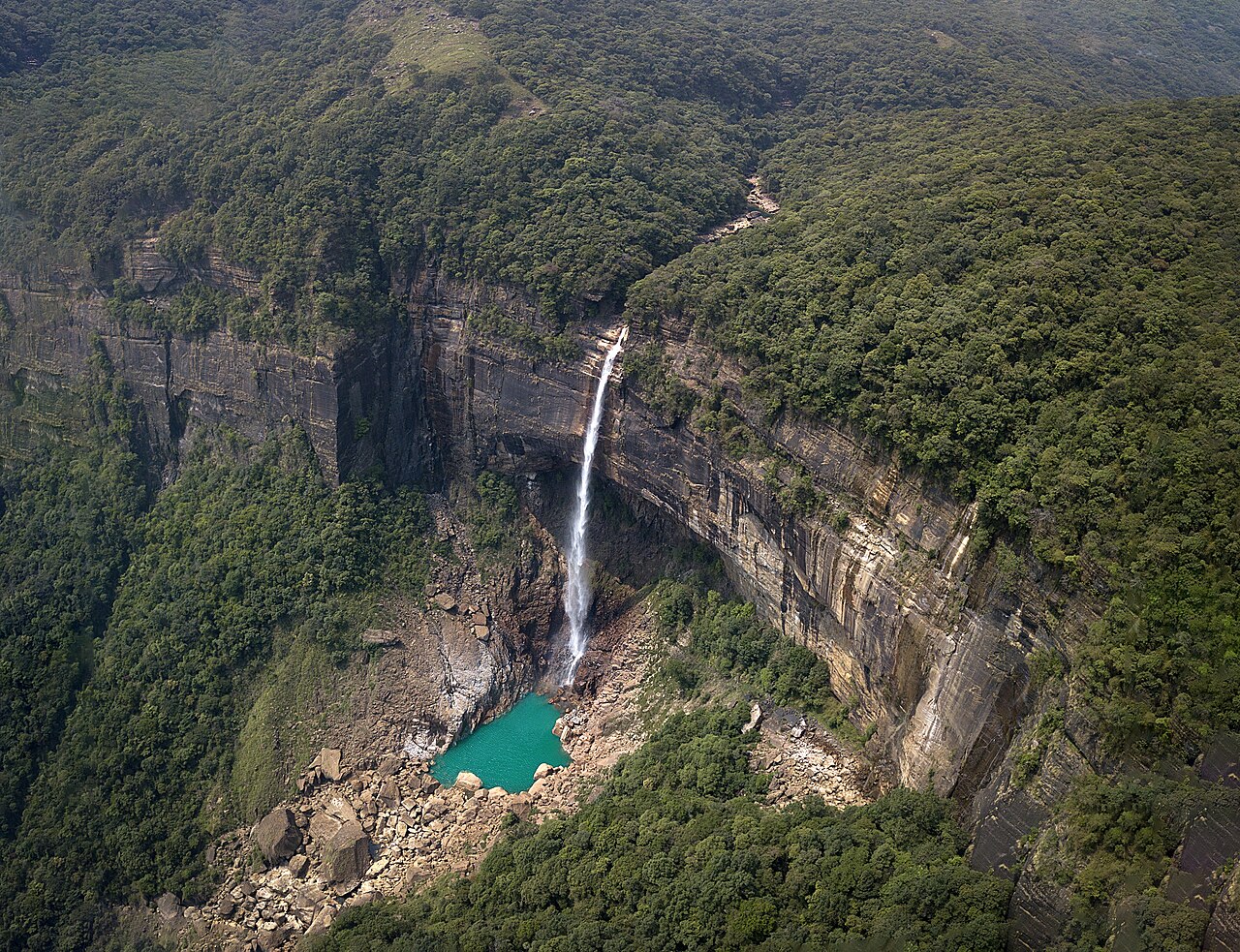
Every waterfall in Meghalaya peaks during monsoon. Nohkalikai — a trickle in May — becomes a thundering curtain of water in July. The Seven Sisters Falls, dry for months, roar back to life. New waterfalls appear on cliff faces that were bare rock in April. The hillside between Shillong and Cherrapunji, running with dozens of temporary falls, looks like a different planet.
If your primary reason to visit Meghalaya is waterfalls, monsoon is objectively the best time.
The Green
Meghalaya in October is green. Meghalaya in July is radioactively green. Every surface — road cuttings, rooftops, tree bark, stone walls — is covered in moss and fern. The forests are a dozen shades of green layered in the mist. The paddy fields are emerald. The landscape looks like it's been colour-corrected by someone who didn't believe in subtlety.
The Mist & Atmosphere
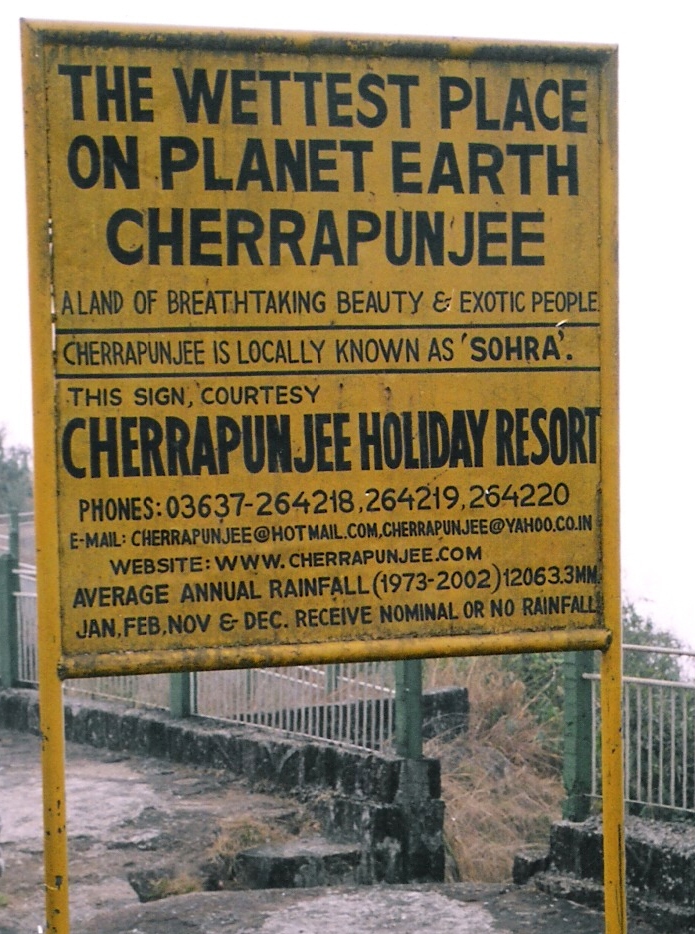
Cherrapunji in July is frequently inside a cloud. The mist rolls across the plateau edge in waves, obscuring and revealing the valley below in a constantly changing show. The Mawkdok gorge fills with cloud that moves like a river. Sacred groves drip with moisture. This is what "Abode of Clouds" actually means — and it's extraordinary.
The Crowds (or Lack Thereof)
Tourism in Meghalaya is heavily concentrated in October through February. Monsoon has a fraction of the visitors. Viewpoints, boat rides at Dawki, and trekking trails are almost empty. Guesthouses have availability and often offer lower rates.
What to Expect: The Honest Guide
Rain
Cherrapunji and Mawsynram receive 80–90% of their annual rainfall in the June–September period. In peak monsoon (July–August), daily rainfall of 50–100mm is normal. Some days, the rain barely stops. You will get wet.
Roads
The main highways (Shillong–Cherrapunji, Shillong–Dawki, Guwahati–Shillong) are generally driveable with caution. Minor roads and remote tracks can be washed out or blocked by landslides. Always check conditions locally before driving rural routes.
Landslides
The hillside cuttings on Meghalaya's roads are susceptible to landslides during heavy rain. The Shillong–Guwahati highway (NH6) has several known landslide-prone sections. If a landslide blocks the road, waits of 2–6 hours are possible. Build flexibility into your schedule.
Planning to visit?
Private cab from ₹4,500 · Local driver · Book free, pay a token to confirm
What Gets Affected
What's Worth Doing in Monsoon
What to Pack for Monsoon Meghalaya
Final Word
Monsoon Meghalaya is not for travelers who need sunshine and guaranteed views. It is for travelers who are comfortable with uncertainty, happy to sit with a cup of local tea watching rain sheet down a pine valley, and who find something thrilling in mist, thunder, and waterfalls too loud to talk near.
If that sounds like you, June to September might be your perfect Meghalaya window.
Meghalaya Cabs operates year-round, including monsoon season. Our drivers know the monsoon roads intimately and track real-time conditions. Book your trip online →