A Photographer's Dream State
Meghalaya consistently appears on lists of India's most photogenic destinations — and the camera rarely lies. The state has an extraordinary concentration of iconic subjects: the glass-clear Umngot River, 340-metre waterfalls, living root bridges, sacred fog-draped forests, and cloud valleys that fill and empty like a tide.
This guide covers the best photography locations in Meghalaya with timing advice and practical camera tips for each.
---
Top Photography Spots
1. Dawki (Umngot River)
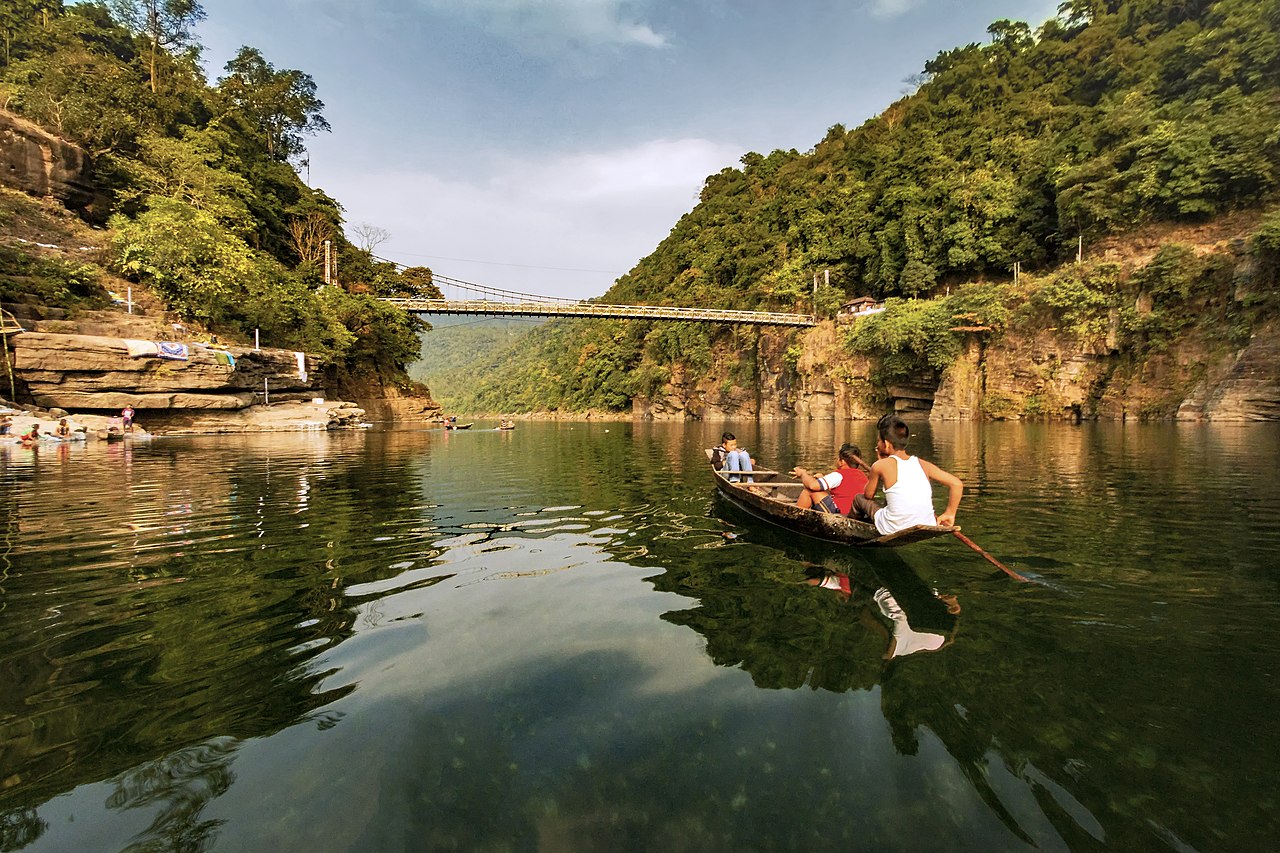
The Shot: Boats appearing to float in mid-air, the river completely transparent, the Bangladesh hills in the background.
Best timing: Early morning (6:30–9 AM) before tour boats crowd the river. The low-angle light gives the water a brilliant jade colour. Overcast days often produce better colour saturation than harsh noon sun.
Camera settings: Polarizing filter is essential for cutting through water surface glare and revealing the riverbed. Use ISO 100, f/8, and adjust shutter for exposure.
Lens: Wide angle (24mm) to capture the full river scene; 50–85mm for boat portraits.
---
2. Nohkalikai Falls Viewpoint
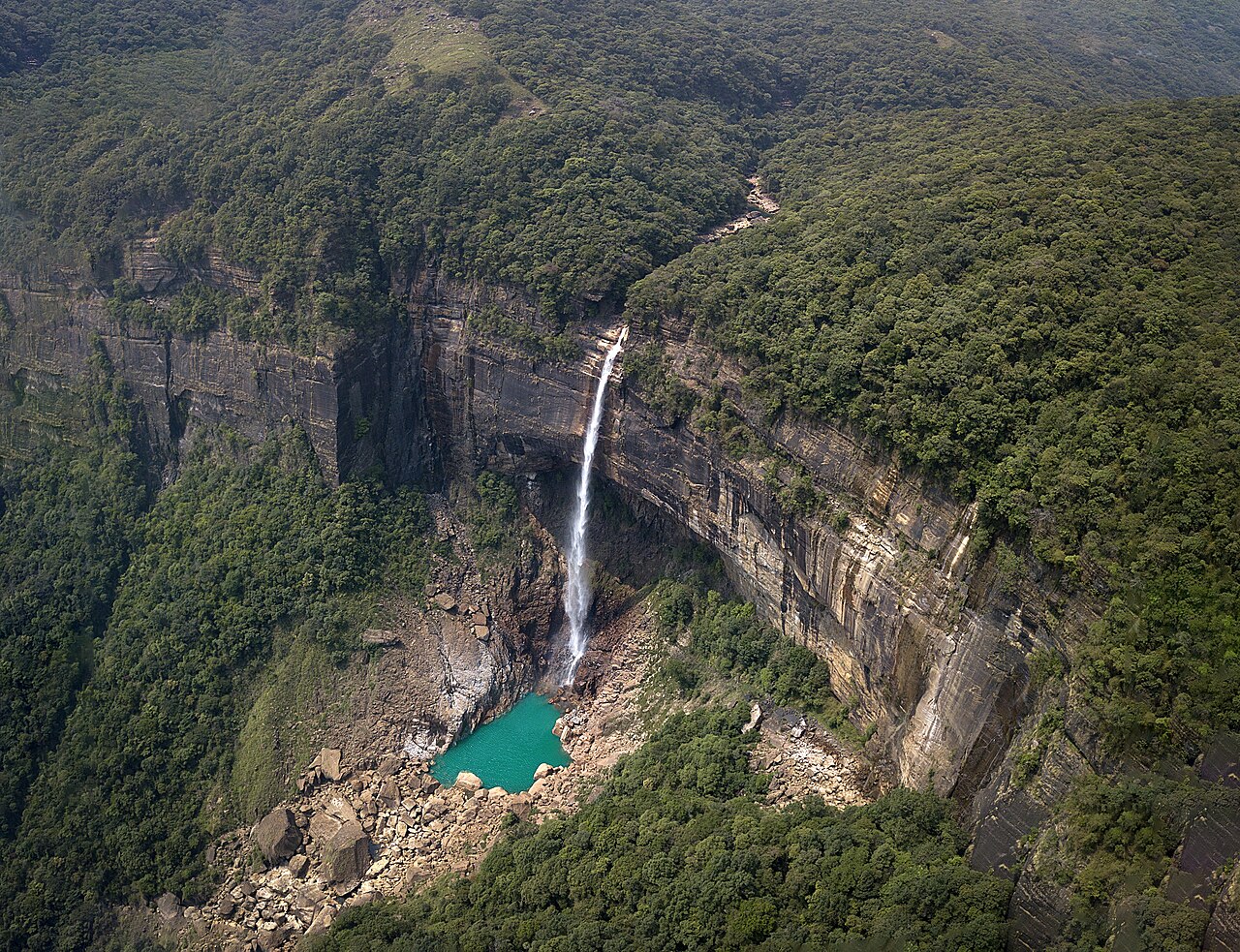
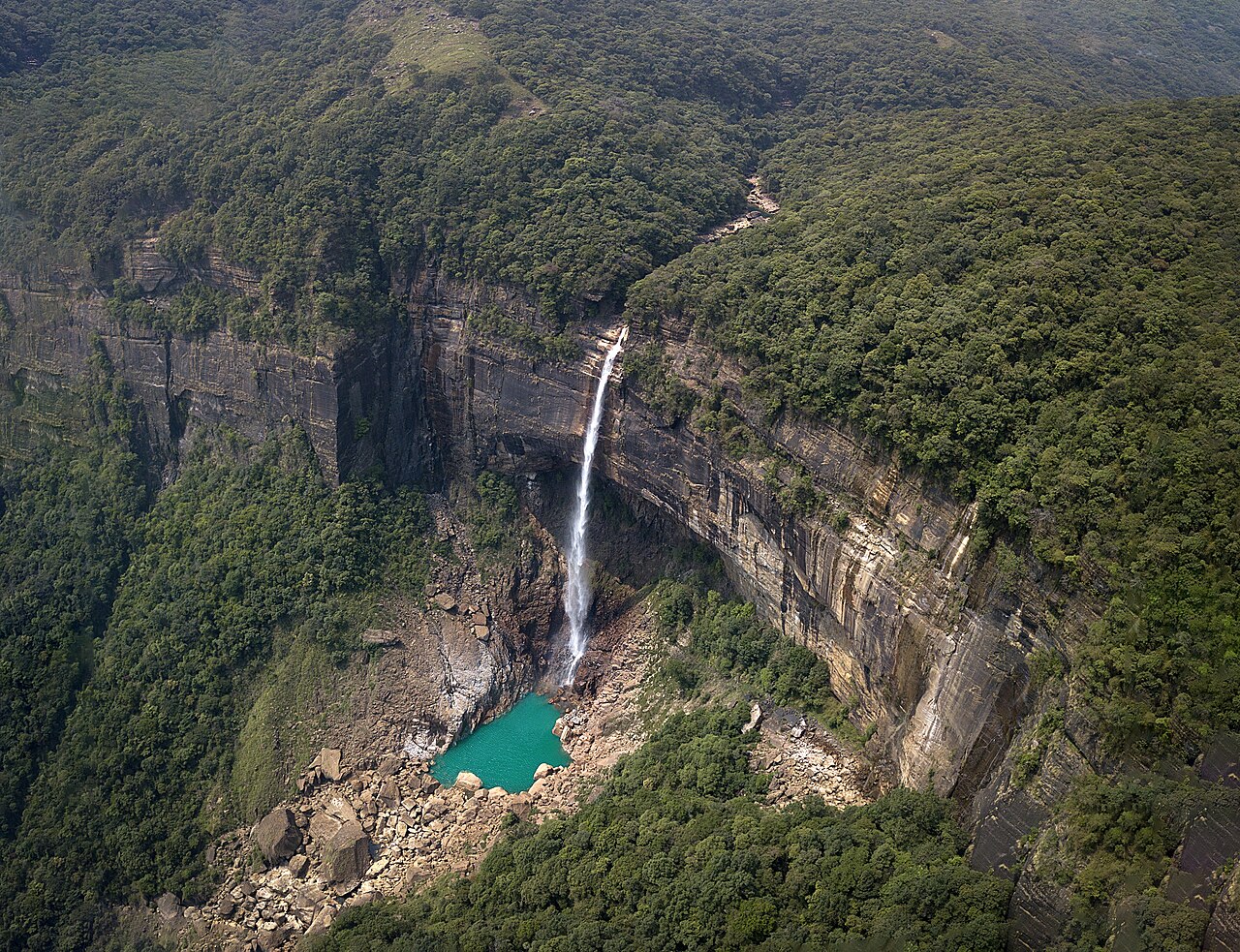
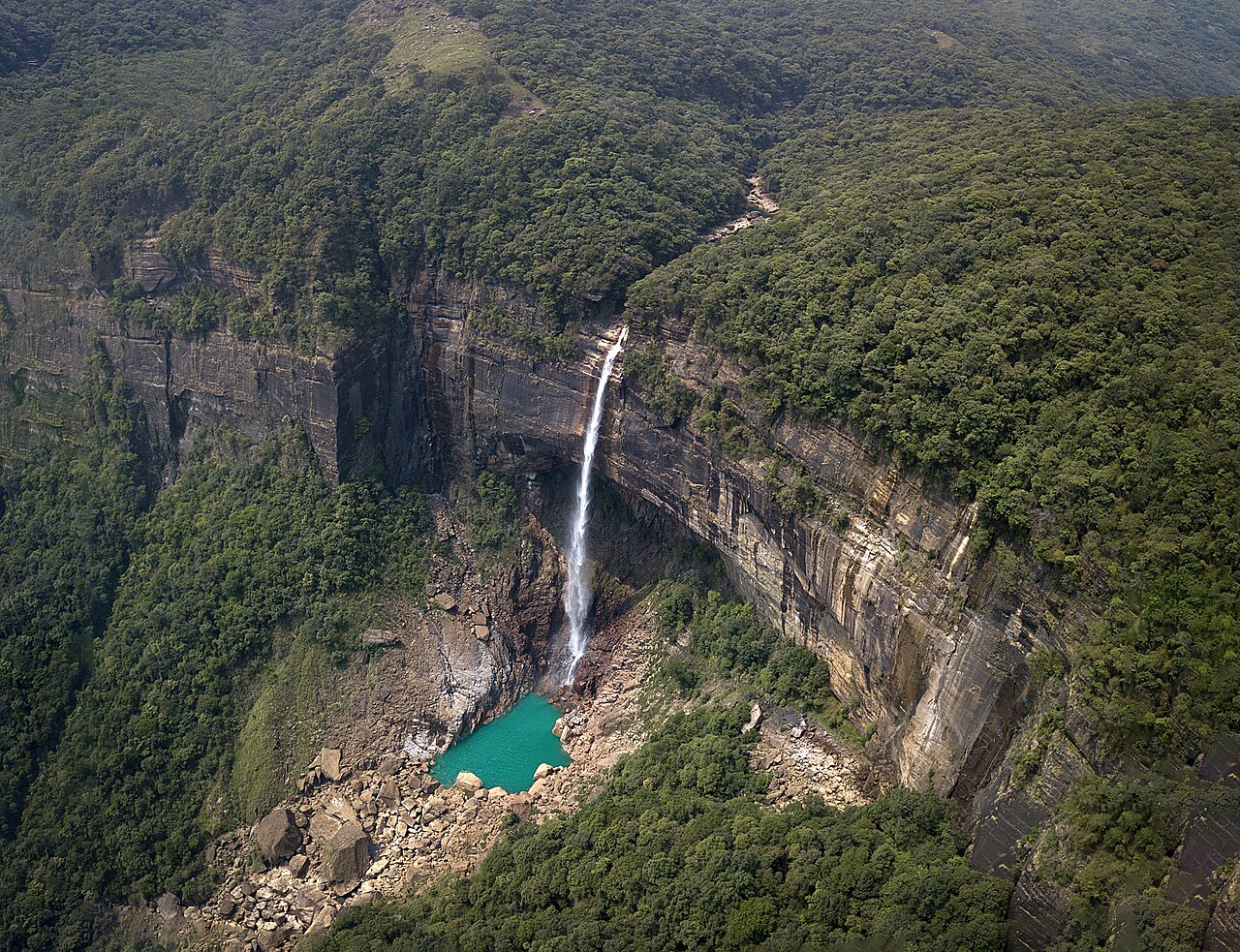
The Shot: The 340m curtain of water plunging into the turquoise pool below.
Best timing: October–November for maximum water volume. Morning gives soft side-lighting across the cliff face. Avoid midday (flat light, harsh shadows in the gorge).
Camera note: The falls are at significant distance from the viewpoint — a 200mm+ telephoto helps isolate the drop against the cliff. Spray can reach the viewpoint — protect your lens.
---
3. Mawkdok Dympep Valley View
The Shot: The deep gorge below, mist in the valley, pine trees framing the sides.
Best timing: Early morning (6:30–8 AM) when mist fills the valley floor. By 10 AM it usually clears. Monsoon visits give dramatic cloud movement.
Lens: Wide angle for the full gorge panorama; telephoto for compressing the valley layers.
---
4. Double Decker Living Root Bridge
The Shot: The two-tiered living bridge made of Ficus elastica roots, framed by jungle.
Best timing: Late morning (10 AM–noon) when light filters through the tree canopy to illuminate the bridge. Early morning is too dark in the dense jungle. Monsoon months make the surrounding jungle impossibly lush.
Camera note: The bridge is in deep forest — high ISO capability (ISO 3200+) is useful. A tripod is difficult to use in the narrow space.
---
5. Cherrapunji Plateau Edge (Seven Sisters Falls)
The Shot: Multiple waterfalls cascading in parallel down the cliff face, Bangladesh plains beyond.
Best timing: October–January for water. Afternoon light (3–5 PM) hits the falls from the west, illuminating them against the shadowed cliff.
---
6. Laitlum Canyons
The Shot: The deeply folded canyon landscape, filled with morning mist or afternoon shadow.
Best timing: Early morning for mist; late afternoon for golden side light on the canyon walls. Visit on a weekday — weekends bring cars and people to every viewpoint.
Planning to visit?
Private cab from ₹4,500 · Local driver · Book free, pay a token to confirm
---
7. Mawphlang Sacred Grove
The Shot: Ancient gnarled oaks draped in moss, shafts of light through the canopy.
Best timing: Late morning (10 AM–noon) when light penetrates the canopy. Monsoon makes the forest extraordinarily atmospheric.
Camera note: High ISO + wide aperture (f/2.8) needed in the dense forest interior. A sturdy travel tripod helps for long exposures.
---
8. Nongkrem Dance Festival / Wangala Festival
The Shot: Women in full traditional regalia — gold crowns, silk garments — performing the sacred dance.
Best timing: Festivals happen in November (Nongkrem) and November (Wangala). Arrive early for good position. Morning ceremonies have the best light.
Camera note: A 70–200mm lens lets you photograph from respectful distance. Always ask permission for close-up portraits.
---
Gear Recommendations for Meghalaya
Must-Have
Nice to Have
Drone Photography
Drones are restricted near the Bangladesh border (Dawki area). Check current regulations before flying. Many viewpoints allow drone photography — but always check locally.
---
Golden Hours in Meghalaya
For photography tours with flexible transport timing, Meghalaya Cabs lets you reach any location at exactly the right time. Book your trip online →