Bhutan's Most Iconic Sight
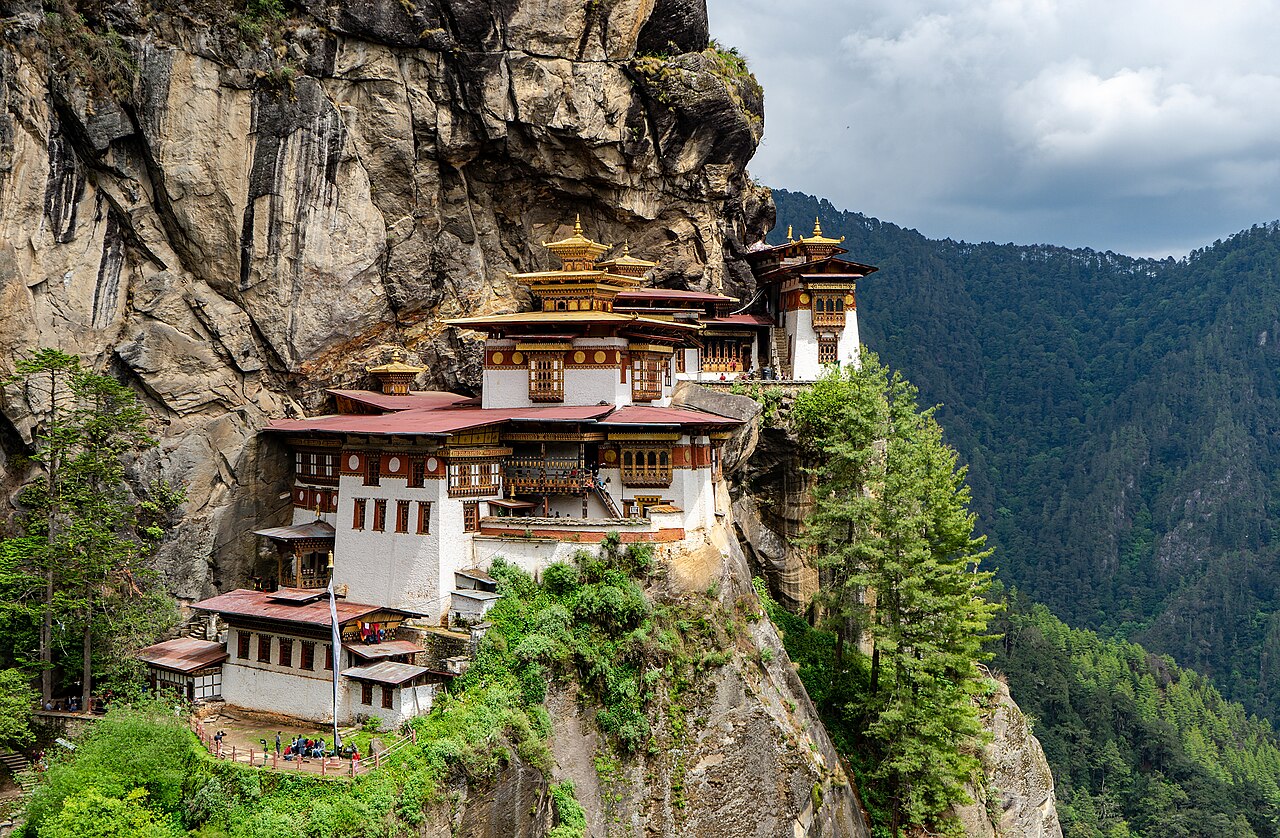
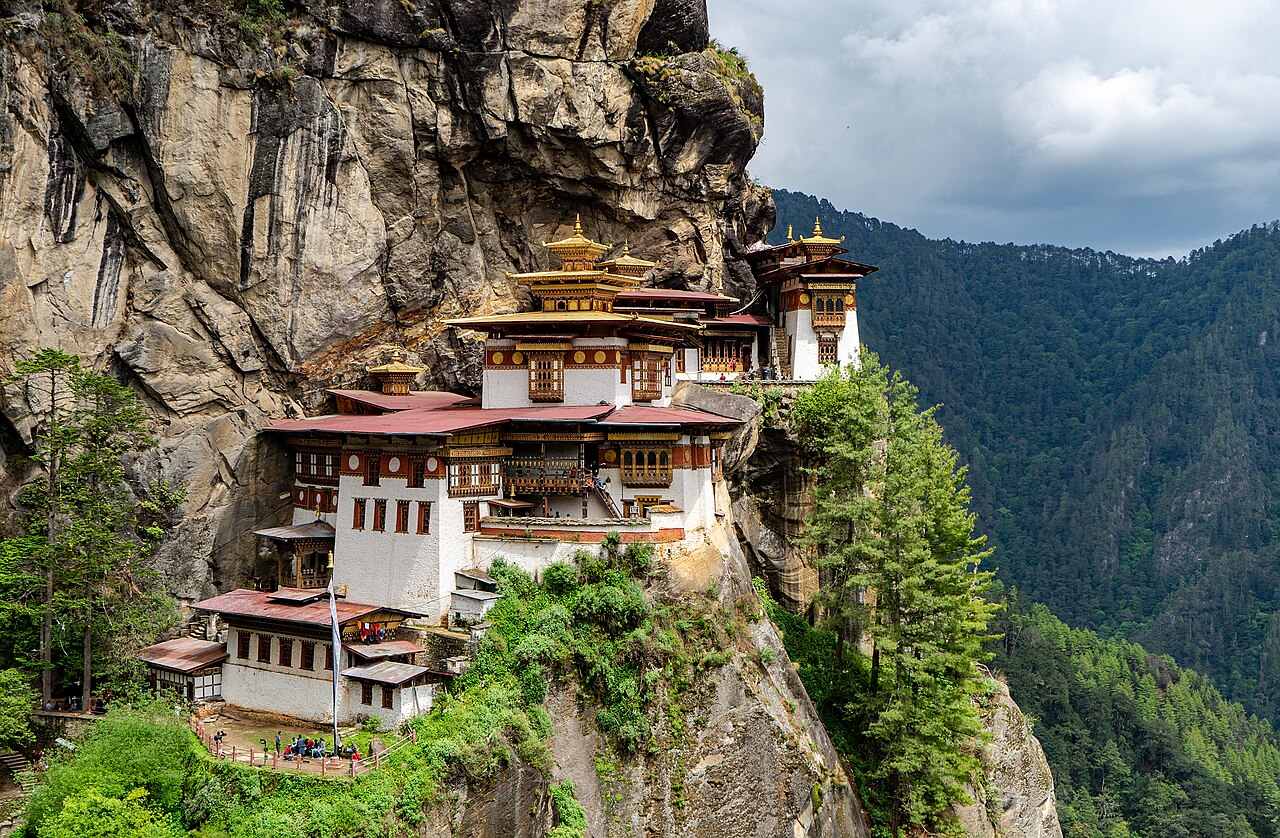
Paro Taktsang — the Tiger's Nest — is Bhutan's most photographed and most visited site. And with good reason. The monastery complex clings to a sheer cliff face at 3,120 metres above sea level, 700 metres above the Paro Valley floor, looking as if it has grown organically from the rock itself. It is simultaneously one of the most improbable feats of construction in the world and one of the most beautiful sacred sites in Asia.
Getting there requires a trek. There is no road, no cable car, no shortcut. The climb is what makes the experience — and arrival at the monastery feels genuinely earned.
The Legend
According to Bhutanese Buddhist tradition, the great master Guru Rinpoche (Padmasambhava) flew to this location from Tibet on the back of a tigress and meditated in the cave here for three months in the 8th century. It was in this cave that he subdued the demons of Bhutan and established Buddhism in the kingdom. The cave — which is the innermost sanctum of the monastery complex today — is considered one of the most sacred sites in Vajrayana Buddhism.
The current monastery complex was built around the cave in 1692 and has been rebuilt several times, most recently after a fire in 1998. The reconstruction was completed in 2004 and is a faithful recreation of the original.
The Trek: Step by Step
Starting Point
The trek begins at the car park in the Paro Valley, at approximately 2,400 metres. Here you'll find souvenir shops, a horse rental point, and the beginning of the broad, well-maintained trail.
Phase 1: Car Park to Cafeteria (1.5–2 hours up)
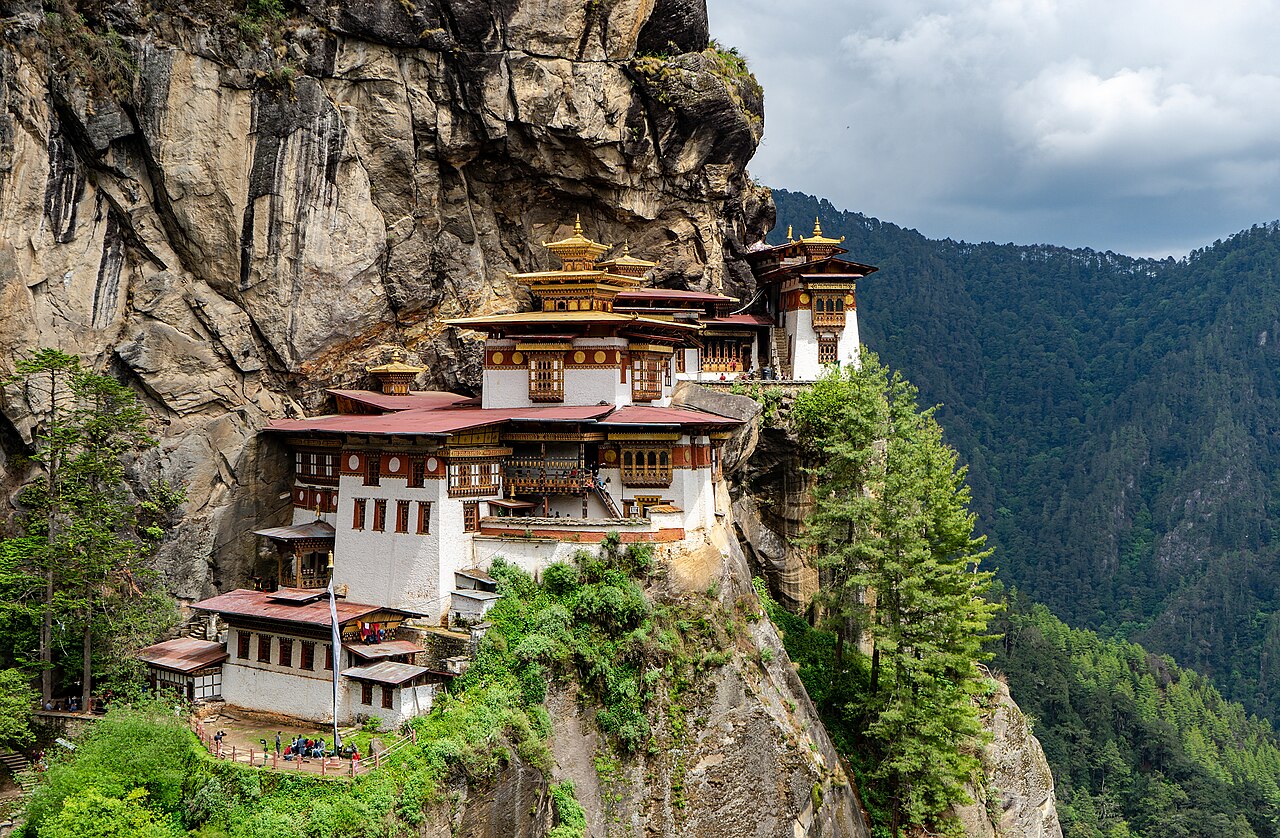
The first section is the most used part of the trail — wide, dusty, and popular. It climbs through pine forest fragrant with incense. At roughly the halfway point, a cafeteria and viewpoint offers the iconic face-on view of Tiger's Nest across the gorge — the photo most people come for. Many visitors stop here, photograph the monastery, and turn back. Don't be those people.
Horse option: Horses can be hired at the car park to reach the cafeteria (not to the monastery). Cost: approximately 600–1,200 BTN (Bhutanese Ngultrum) one way.
Phase 2: Cafeteria to the Monastery (45–60 minutes up)
From the cafeteria, the trail continues across the hillside and then descends steeply into a gorge with a waterfall before climbing sharply on the other side to reach the monastery gate. This section is more strenuous — the descent and re-ascent involves steep stone steps.
Total trekking time: 2.5–4 hours one way, depending on pace and fitness.
At the Monastery
Remove your shoes at the entrance. Photography is strictly prohibited inside the monastery buildings. Monks are present and the monastery is a functioning place of worship.
Inside the complex are multiple temples and shrines, connected by stairs, bridges, and narrow passages cut into the cliff face. The innermost sanctum — the actual cave where Guru Rinpoche meditated — is reached through a series of low-ceilinged tunnels. The atmosphere is profoundly atmospheric.
Allow 1–1.5 hours at the monastery to properly explore.
Descent (1.5–2 hours)
The return is mostly downhill. Knees take more strain on the descent — trekking poles are useful. The cafeteria is a good stop for a meal or snacks on the way down.
Difficulty Level
Planning to visit?
Private cab from ₹4,500 · Local driver · Book free, pay a token to confirm
Moderate — anyone in reasonable health can manage this trek with the right preparation. However:
Not suitable for: People with severe joint problems, heart conditions, or severe altitude sensitivity.

What to Wear & Bring
Best Time to Trek
Practical Notes
The Tiger's Nest trek is often the highlight of a Bhutan visit. If you're combining a Meghalaya trip with Bhutan, Meghalaya Cabs handles the overland journey from Shillong to the Bhutan border. Book your trip online →