The Festival of 100 Drums
In the hills and valleys of the Garo Hills in western Meghalaya, the harvest season brings one of Northeast India's most spectacular cultural events. Wangala — also called the "Festival of 100 Drums" — is the most important festival of the Garo people, a celebration of the harvest dedicated to Misi Saljong, the Sun God who blesses the fields with fertility.
The festival transforms the Garo Hills into a landscape of colour, rhythm, and movement. Hundreds of performers dance in traditional dress. Drums of all sizes thunder in coordinated rhythms that can be heard kilometres away. The feasting, music, and community celebration last for days.
What Is Wangala?
Wangala is a post-harvest thanksgiving festival, traditionally held after the paddy and cotton harvests are safely stored. It marks the end of the agricultural year and the beginning of a period of rest and celebration. The festival includes:
The Music
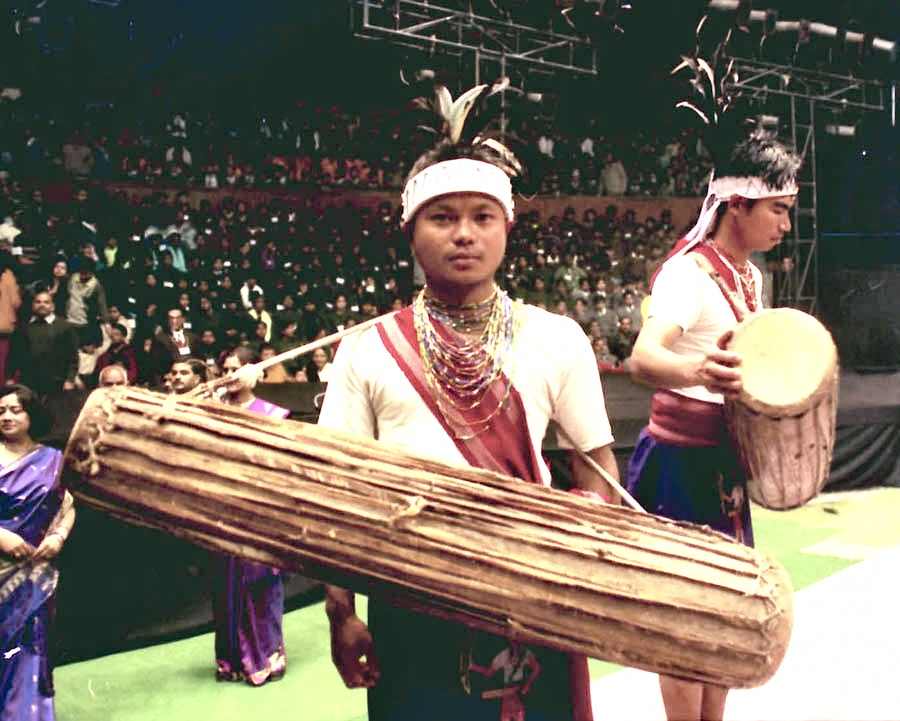
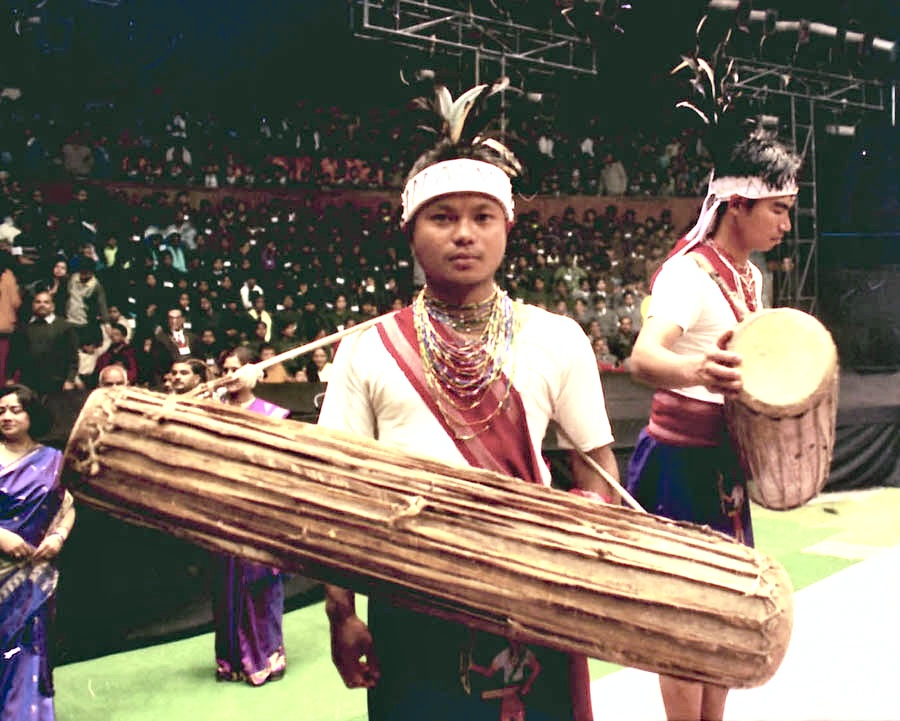
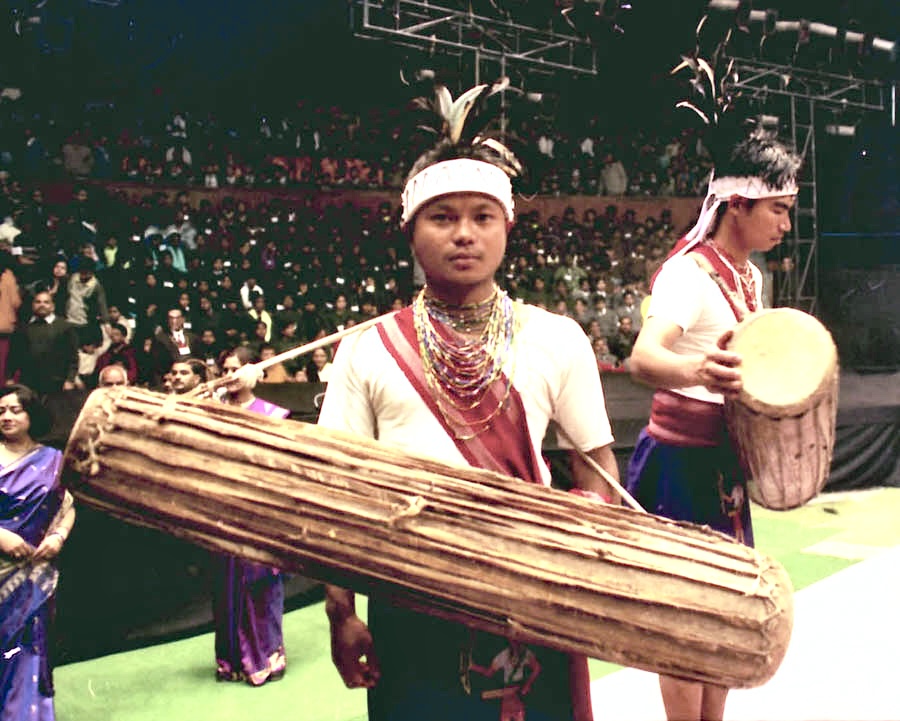
The Garo drums used in Wangala — called dama and atong — are hollow wooden drums covered with animal skin. During the festival, dozens to hundreds of drummers play together in complex, interlocking rhythms. The sound builds in intensity and volume until it fills the entire valley.
Other traditional instruments include:
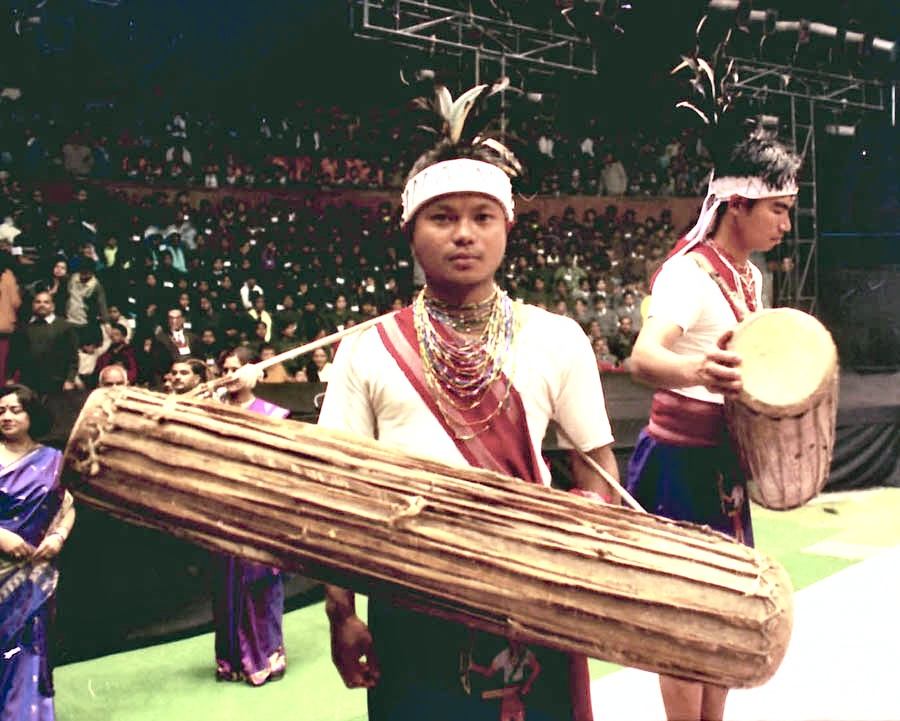
The drummers wear traditional Garo dress — daksari (a patterned cloth wrapped around the waist) and elaborate headgear decorated with hornbill feathers and colourful beads.
The Dance
The Wangala dance is performed by men and women in traditional attire, in synchronized groups. The movement is rhythmic and processional — dancers move in lines and circles, their steps perfectly matching the drum patterns. Women wear the dok (a traditional Garo garment) with elaborate jewelry; men wear the gando and carry swords or traditional implements.
The most spectacular sight is the Champion Drummer display — individual drummers compete in showing off the most complex and energetic playing, the crowd responding with cheers.
The 100-Drums Wangala Festival (Tura)
The most famous iteration of Wangala is the 100 Drums Wangala Festival held in Tura, the main town of the Garo Hills, typically in November. This is a state-level organized event that draws Garo communities from across the hills and tourists from across India and abroad.
Planning to visit?
Private cab from ₹4,500 · Local driver · Book free, pay a token to confirm
The Tura festival is more organized for visitors than village celebrations: there are seating areas, food stalls, cultural exhibitions, and a concentrated program over 2–3 days. But it does not lose its authenticity — the participation is genuine, the music is powerful, and the atmosphere is electric.
Village Wangala
If you can arrange it through local contacts or a tour operator, a village Wangala celebration is a more intimate experience than the Tura festival. These happen in villages across the Garo Hills in October–November, and the community feel is quite different from the organized state event. Participating in communal feasting and watching families celebrate together is deeply moving.
When & Where
What to See in Tura While You're There
Practical Tips
Don't miss Wangala. Meghalaya Cabs operates Garo Hills packages from Shillong, with comfortable transport and local driver knowledge for the full Wangala experience. Book your trip online →